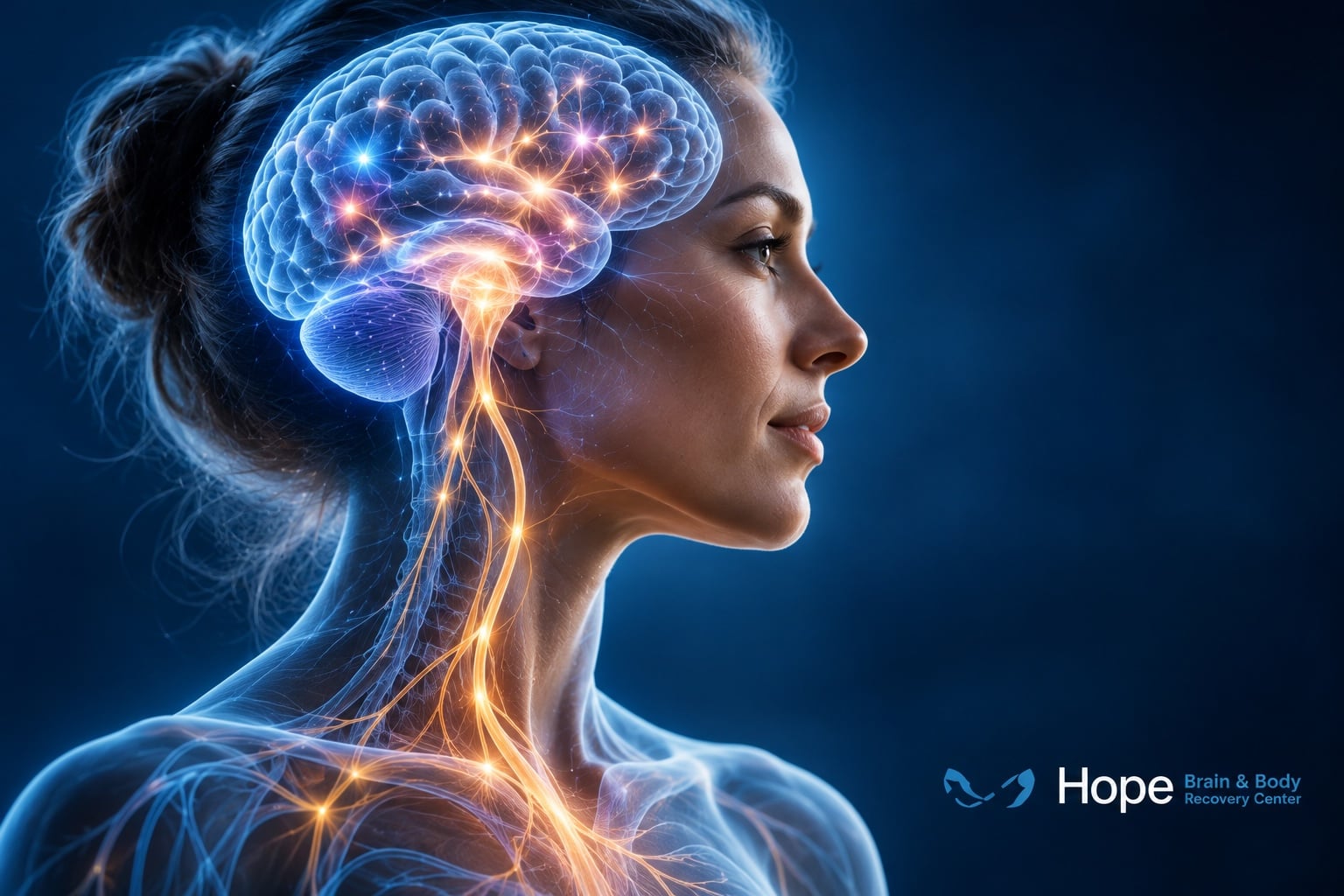
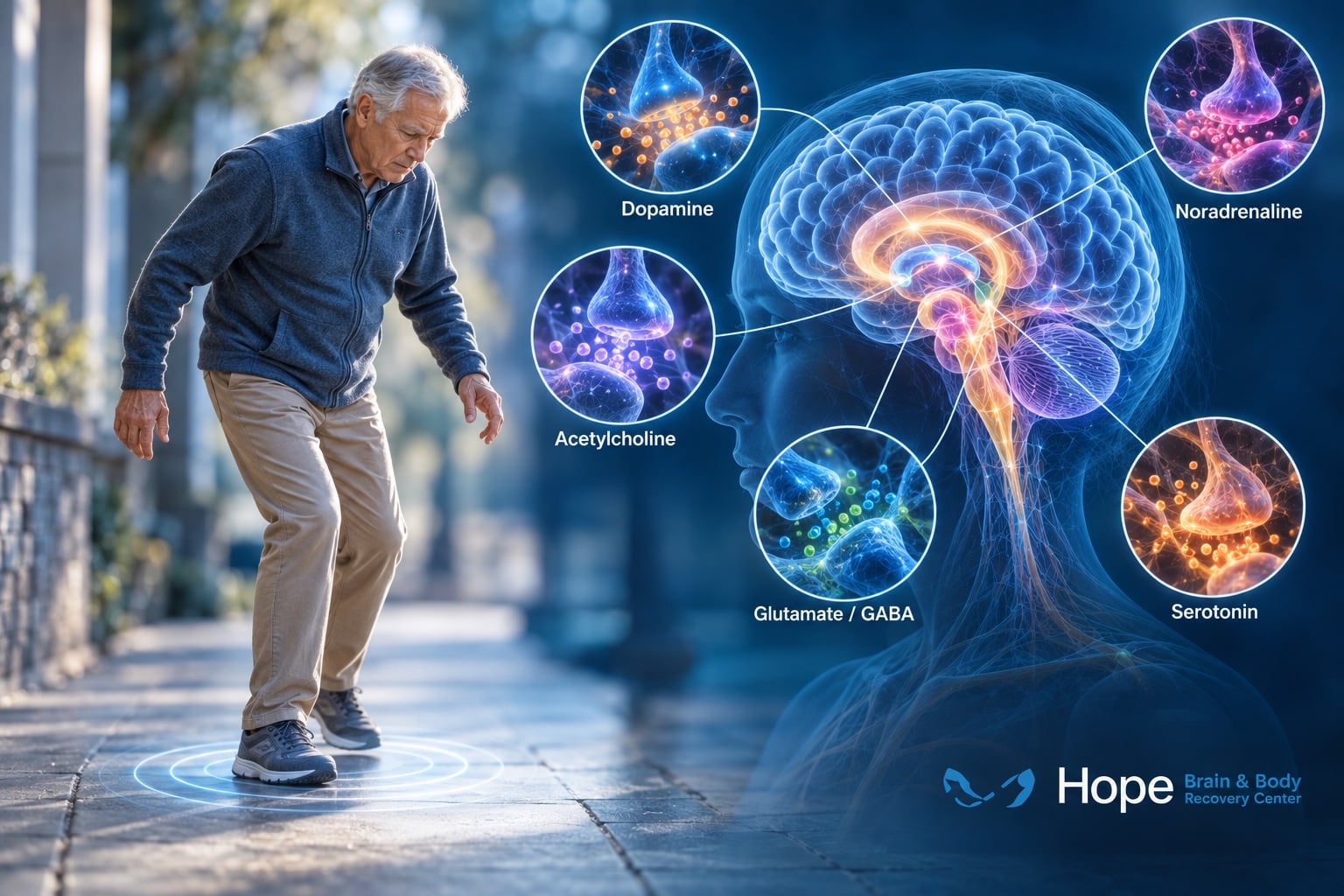
Around the world, a silent epidemic is unfolding—one that affects millions of lives, strains families, and challenges modern healthcare systems. Neurodegenerative diseases such as Alzheimer’s, Parkinson’s, amyotrophic lateral sclerosis (ALS), and frontotemporal dementia are increasing at unprecedented rates.
At Hope Brain & Body Recovery Center in Chadds Ford, Pennsylvania, we see firsthand how these conditions impact patients and families. But we also see hope—through early detection, functional neurology, and personalized brain rehabilitation. Understanding the scale and causes of this epidemic is the first step toward protecting your brain health and reclaiming your future.
A Silent Epidemic Unfolding
Recent data paints a sobering picture:
- Deaths from neurological diseases among adults aged 75 and older have nearly doubled in the past two decades across Western nations.
- In the United States, the rate among older men has tripled, while deaths among women have risen fivefold.
- For the first time, more elderly American women now die from brain diseases than from cancer.
While aging populations play a role, experts point to modern environmental and lifestyle factors—pollution, diet, chronic stress, and toxin exposure—that are accelerating these diseases beyond the normal course of aging.
Neurodegeneration is no longer a problem of the elderly—it’s a growing threat that increasingly affects people in their 40s and 50s.
The Scale of the Global Challenge
The numbers are staggering:
- 57 million people worldwide currently live with a neurodegenerative condition.
- Alzheimer’s cases in the U.S. are expected to climb from 7.2 million today to 13.8 million by 2060.
- China accounts for over 25% of global Alzheimer’s cases, with more than 13 million patients.
These numbers are expected to double every 20 years, creating an unprecedented public health challenge as populations continue to age.


The Human and Economic Toll
Behind every statistic are families facing emotional, financial, and physical strain.
Caregiver Burden
In the United States alone, nearly 12 million family caregivers provide over 19 billion hours of unpaid care every year—valued at more than $400 billion annually.
These caregivers often experience chronic stress, burnout, and health decline, as they struggle to support loved ones while managing work and family responsibilities.
Healthcare Costs
The economic burden is equally severe. By 2025, Medicare and Medicaid costs for dementia care are expected to reach $384 billion. Hospitals, nursing homes, and long-term care facilities face overwhelming demand with limited staffing.
System Strain
The healthcare workforce is already stretched thin, and the rising number of moderate- to late-stage dementia patients will require more specialized training and resources than ever before.
The toll is not just economic—it’s human. These diseases rob individuals of memory, identity, and independence, while families bear the weight of uncertainty and loss.
Modern Life: The Environmental and Lifestyle Connection
Why are neurodegenerative diseases increasing so rapidly? The evidence points to more than genetics or aging—it’s about how modern life affects the brain.
1. Air Pollution and Motor Vehicles
The massive increase in vehicles has quadrupled air pollution levels, exposing people to fine particulate matter and toxic chemicals that can reach and inflame the brain.
2. Petrochemical Exposure
Modern industrial environments are filled with petrochemicals—plasticizers, solvents, and pollutants that disrupt hormones and damage neural tissues.
3. Electromagnetic Fields (EMF)
The explosion of wireless technology means constant exposure to electromagnetic radiation, which some studies link to oxidative stress and neuroinflammation.
4. Earlier Onset
These environmental stressors appear to be shifting dementia onset earlier by up to a decade, with increasing numbers of diagnoses in middle-aged adults.
At Hope Brain & Body, we assess environmental, nutritional, and neurological factors to uncover what’s driving each patient’s condition—because the root causes differ from person to person.
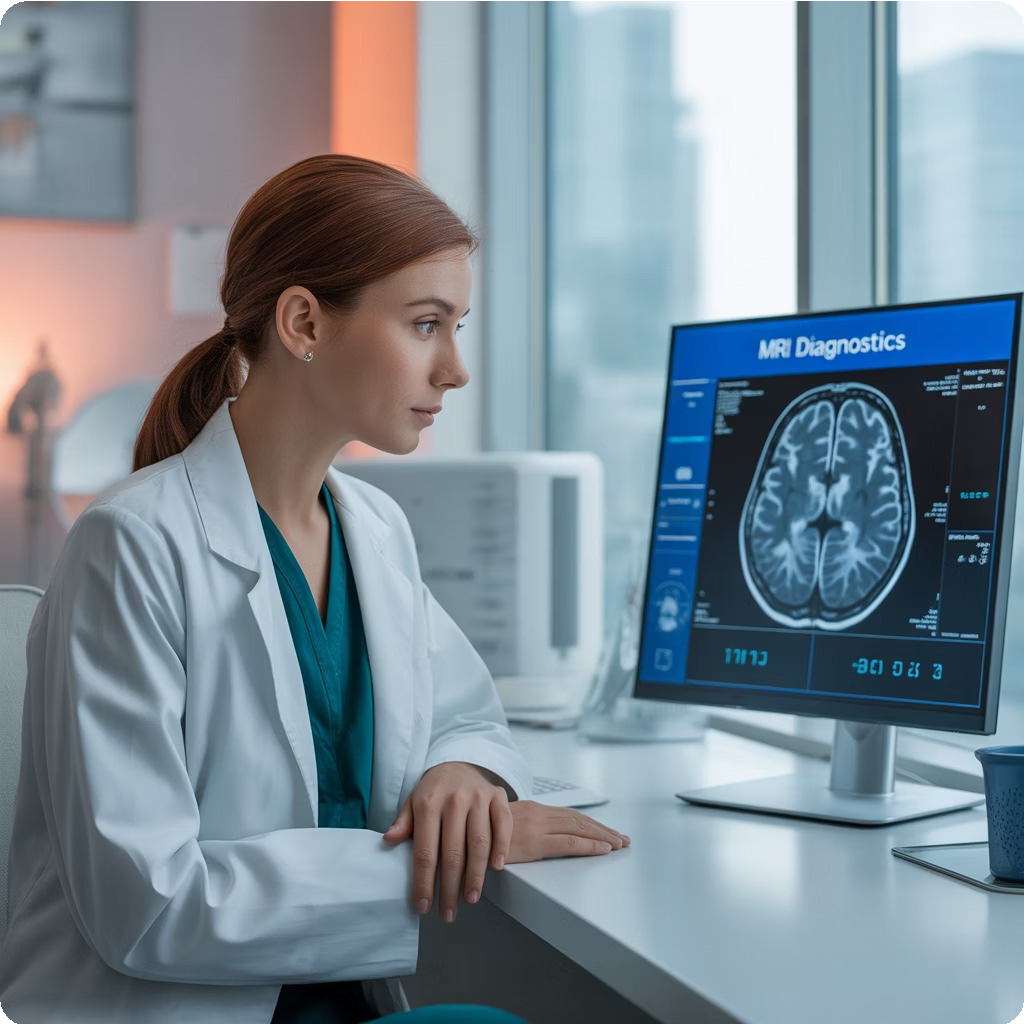
Diagnostic and Treatment Challenges
Early Detection Is Key—But Difficult
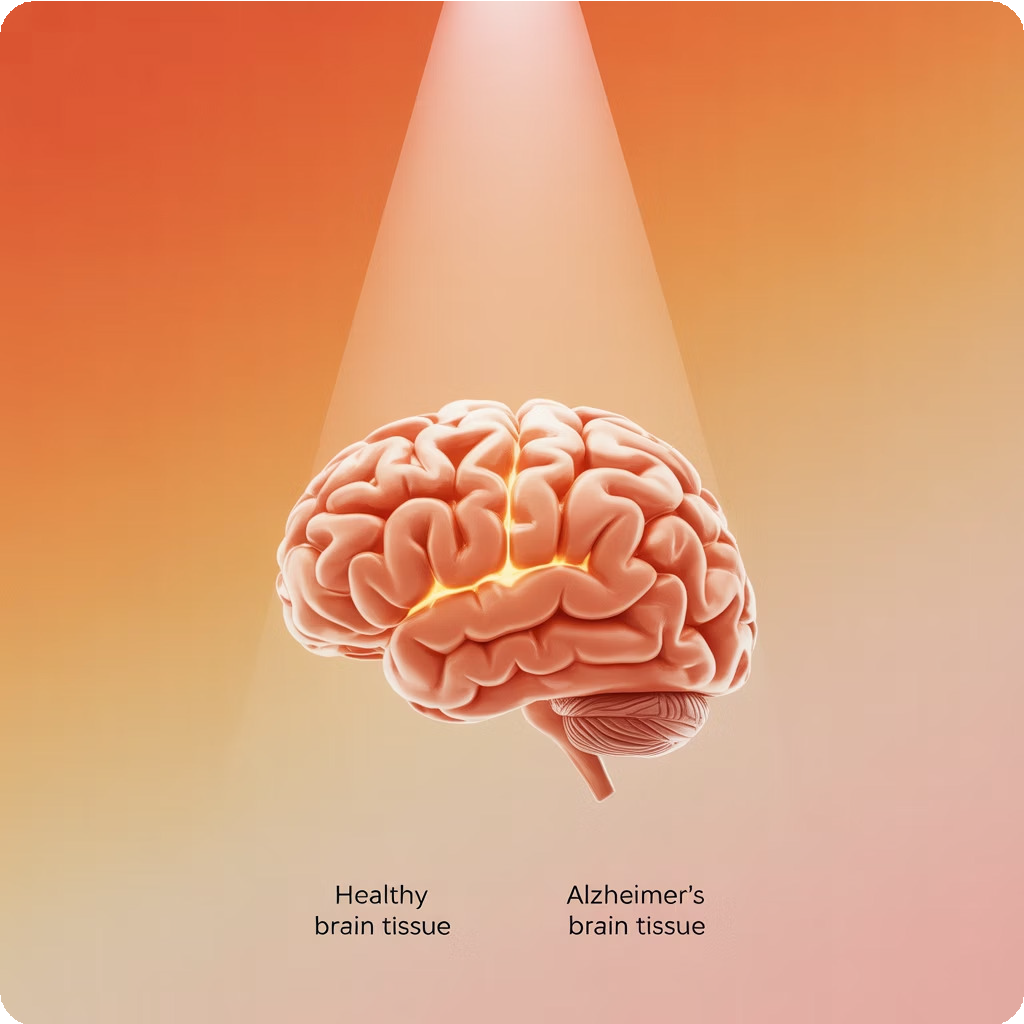
Most neurodegenerative diseases develop silently over 10 to 20 years before symptoms appear. By the time memory loss or tremors are noticeable, significant brain tissue may already be damaged.
Traditional medicine often relies on symptom-based diagnosis, which misses the earliest, most treatable stages of disease.
Complexity of Conditions
Each condition—Alzheimer’s, Parkinson’s, ALS—has overlapping pathologies, making accurate diagnosis and individualized treatment challenging.
Treatment Evolution
Fortunately, medicine is beginning to shift from symptom management to disease-modifying therapies, particularly in Alzheimer’s and genetically linked ALS. Early identification of biomarkers is now the frontier of neurological research.

Advances in Biomarker Research
The new era of precision neurology is being driven by breakthroughs in biomarker science—biological indicators that reveal disease long before symptoms arise.
- Proteomics Profiling – Advanced molecular profiling identifies early changes in brain chemistry that signal neurodegeneration.
- Fluid Biomarkers – Proteins such as amyloid and tau are now used to diagnose Alzheimer’s earlier and more accurately.
- Expanding Targets – Researchers are seeking biomarkers for α-synuclein (linked to Parkinson’s) and TDP-43 (associated with ALS).
- Multi-Omics Integration – Combining genetic, metabolic, and protein-level data is accelerating the discovery of new therapies and personalized treatments.
These advances provide optimism for earlier diagnosis and targeted intervention—especially when combined with brain-based therapies that support neural resilience.
Global Research and Care Initiatives
Efforts to combat the neurodegenerative epidemic are gaining momentum worldwide.
- EU 2025 Initiative: Europe is funding multinational research to improve treatment for moderate and late-stage patients.
- China’s Alzheimer Report 2025: A national strategy focusing on early diagnosis, treatment innovation, and healthcare infrastructure.
- Collaborative Models: Cross-disciplinary partnerships are bringing together neurologists, neuroscientists, and mental health specialists to improve outcomes and caregiver support.
However, experts agree that individual awareness and early prevention remain just as vital as institutional progress.

The Urgent Call to Action
The rise in neurodegenerative disease isn’t inevitable—it’s a call to rethink how we care for our brains and our environment.
To reverse this trend, we must act on several fronts:
- Environmental Safety: Reduce toxin exposure, promote clean air, and create healthier living environments.
- Workforce Expansion: Train healthcare providers and caregivers to handle the growing wave of dementia and neurological disorders.
- Research Investment: Increase funding for biomarker research, early detection technologies, and regenerative therapies.
- Caregiver Support: Provide emotional, educational, and financial resources to those caring for loved ones with neurodegenerative conditions.
The time to act is now. Neurodegenerative disease is no longer just a disease of age—it’s a societal challenge fueled by modern life, and our response will shape the health of generations to come.
Hope for Healing: A Functional Neurology Approach
At Hope Brain & Body Recovery Center, we approach neurodegenerative conditions through a functional neurology and brain rehabilitation model. Instead of focusing solely on managing symptoms, we target the root causes and help the brain rebuild connections through neuroplasticity.
Our care includes:
- Comprehensive Neurological Assessments – Identifying deficits in cognitive, vestibular, and motor function early.
- Neurofeedback and Brain Stimulation – Retraining the brain’s electrical activity for improved focus, balance, and memory.
- Nutritional and Metabolic Support – Addressing deficiencies and toxins that drive inflammation and cognitive decline.
- Personalized Care Plans – Combining chiropractic neurotherapy, functional nutrition, and cognitive training tailored to each patient’s needs.
Through consistent, evidence-based care, many patients experience improved cognition, steadier mood, and better quality of life—no matter where they are on their healing journey.
🌿 Call to Action
If you or a loved one is facing memory loss, tremors, or cognitive decline, early intervention is critical. The team at Hope Brain & Body Recovery Center in Chadds Ford, PA provides advanced neurological care designed to slow or even reverse the progression of neurodegenerative conditions.
📞 Call (610) 652-4732 or visit hopebraincenter.com/contact/ to schedule your comprehensive neurological evaluation today.
Together, we can take proactive steps to protect your brain health and restore hope for a brighter, healthier future.