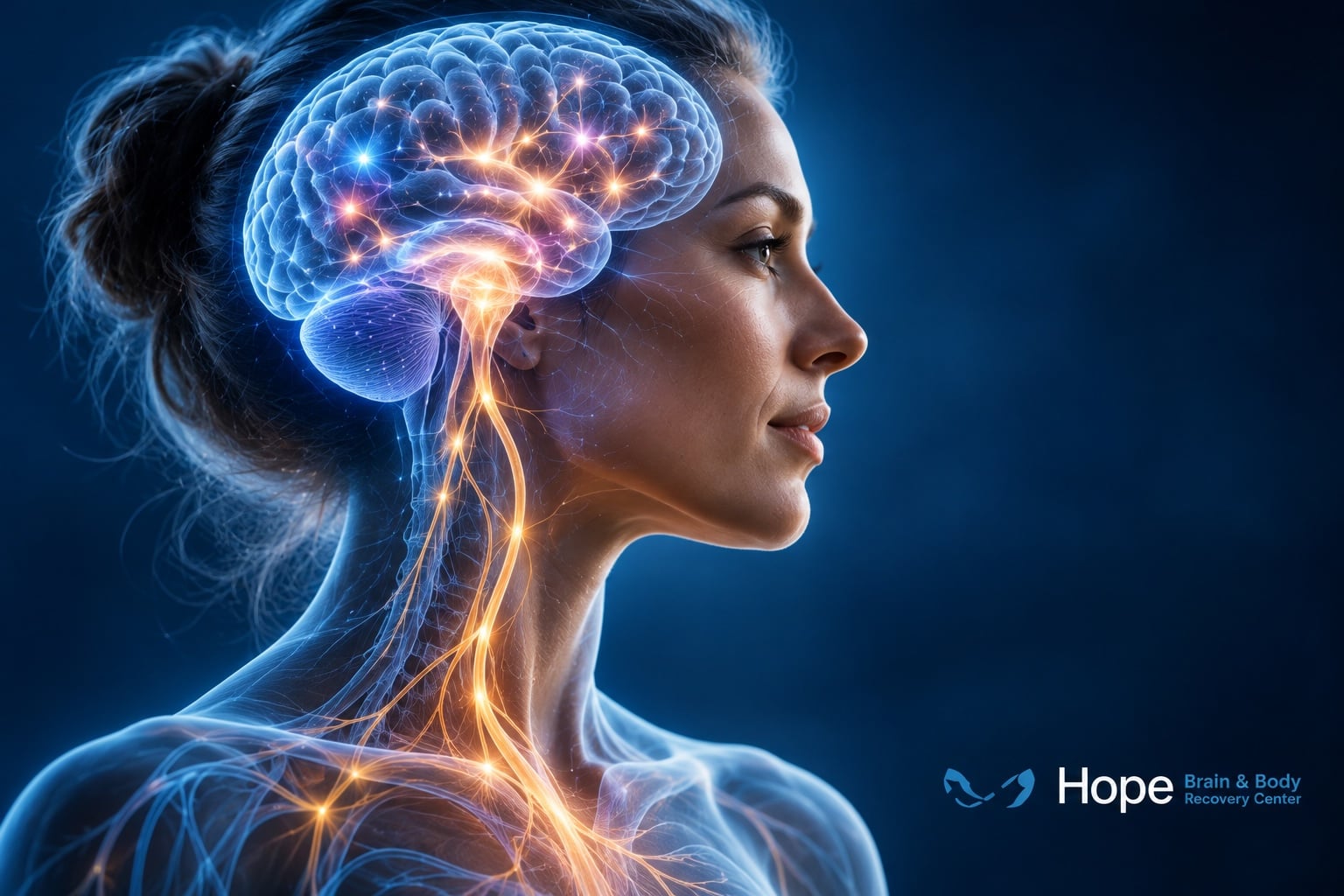
Your brain is your body’s command center—controlling memory, movement, mood, and every thought. Yet within this vital organ, a silent battle often rages, one that can lead to brain fog, fatigue, cognitive decline, and even neurodegenerative diseases. This hidden process is called neuroinflammation—a chronic inflammatory response inside the brain that slowly erodes neural health.
At Hope Brain & Body Recovery Center in Chadds Ford, Pennsylvania, we specialize in identifying and addressing the underlying causes of neurological inflammation. By restoring the body’s natural balance and supporting the brain’s healing capacity, we help patients regain clarity, focus, and vitality.
What is Neuroinflammation?
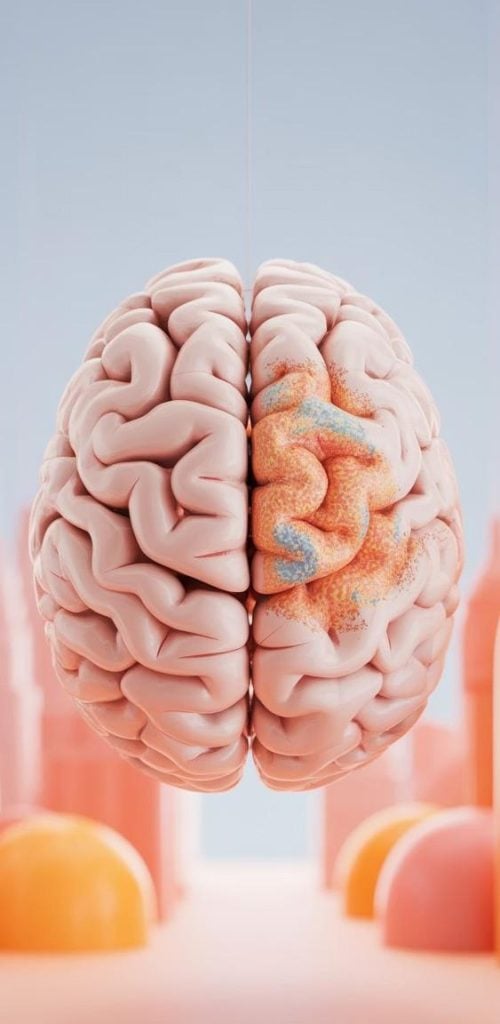
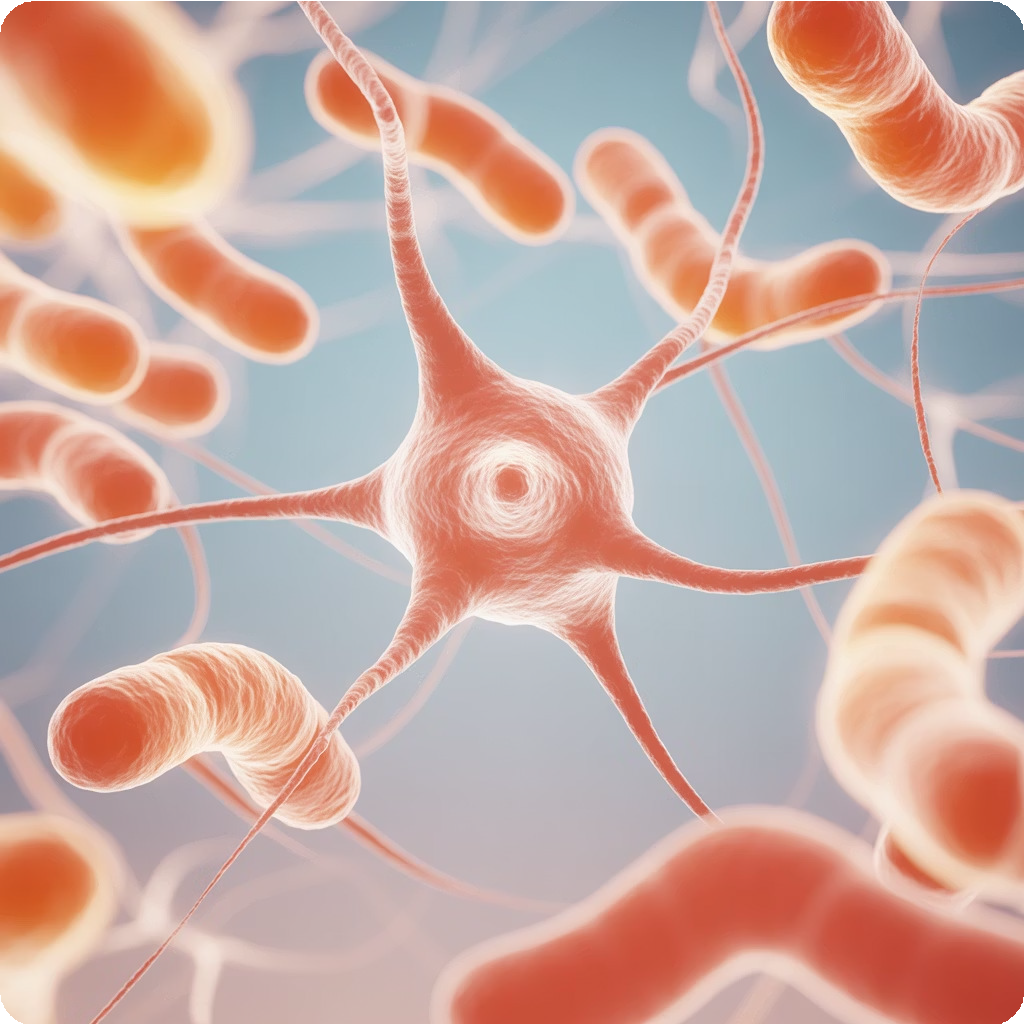
Neuroinflammation is the brain’s immune system at work. Under normal conditions, specialized cells—microglia, astrocytes, and endothelial cells—protect the brain by eliminating pathogens and toxins.
However, when this immune response becomes chronic, it turns destructive. Persistent activation of microglia and astrocytes leads to the release of inflammatory molecules, free radicals, and cytokines that damage neurons and weaken the blood-brain barrier (BBB)—the brain’s protective shield.
Once the BBB is compromised, harmful substances and immune cells flood into brain tissue, perpetuating a vicious cycle of inflammation and damage.
Pathogens That Trigger Brain Inflammation
Neuroinflammation can be set off by infections that penetrate or disrupt the brain’s defenses.
Lyme Disease
The Borrelia burgdorferi bacteria can directly invade the central nervous system (CNS), activating immune cells and causing long-term inflammation that manifests as cognitive impairment, fatigue, and mood changes.
Streptococcal Infections (PANDAS)
Strep infections can trigger autoimmune neuroinflammation through molecular mimicry—when antibodies attack brain tissue, mistaking it for the pathogen. This is especially seen in children with PANDAS syndrome, causing sudden behavioral and neurological changes.
Mold Exposure
Mycotoxins from mold exposure can compromise the blood-brain barrier and directly inflame brain tissue, resulting in chronic fatigue, dizziness, and difficulty concentrating.
Parasites and Chronic Infections
Certain parasites like Toxoplasma gondii create ongoing low-grade infections that alter neural function and even behavioral patterns, keeping the brain in a persistent inflammatory state.

The Gut-Brain Connection: How Digestive Health Impacts the Mind
The gut and brain are deeply connected through a complex communication network called the gut-brain axis. When gut health deteriorates, the brain suffers too.
- Dysbiosis (Gut Imbalance): Overgrowth of harmful bacteria reduces beneficial species needed to regulate inflammation.
- Leaky Gut: A compromised intestinal barrier allows toxins and undigested food particles to enter the bloodstream, overloading the immune system.
- Blood-Brain Barrier Weakening: Inflammation originating in the gut can damage the blood-brain barrier, allowing toxic molecules to reach and inflame brain tissue.
At Hope Brain & Body, we often begin neurological treatment by healing the gut, because restoring intestinal integrity helps calm systemic and brain-based inflammation.
Autoimmunity: When the Body Turns on the Brain
One of the most dangerous outcomes of chronic inflammation is autoimmune neuroinflammation, where the immune system mistakenly attacks the body’s own neurons.
- Autoantibody Production: Rogue antibodies breach the blood-brain barrier and attack brain cells, amplifying inflammation.
- Molecular Mimicry: Infections such as strep can cause the immune system to misidentify brain proteins as threats.
- Chronic Neural Damage: Over time, this autoimmune response leads to synaptic dysfunction, demyelination, and neuronal death, driving symptoms like brain fog, anxiety, and cognitive decline.
This process is a key player in conditions such as multiple sclerosis, chronic Lyme, and autoimmune encephalitis.

Environmental Toxins: The Silent Neural Destroyers
We live in a world filled with toxins that can accumulate and trigger neuroinflammation:
- Pesticides – Common agricultural chemicals activate microglia, leading to the release of damaging cytokines like TNF-α and IL-1β.
- Heavy Metals – Lead, mercury, and aluminum collect in neural tissue, promoting oxidative stress and cellular damage.
- Mycotoxins – Toxic compounds from indoor mold can impair mitochondrial function and intensify inflammation.
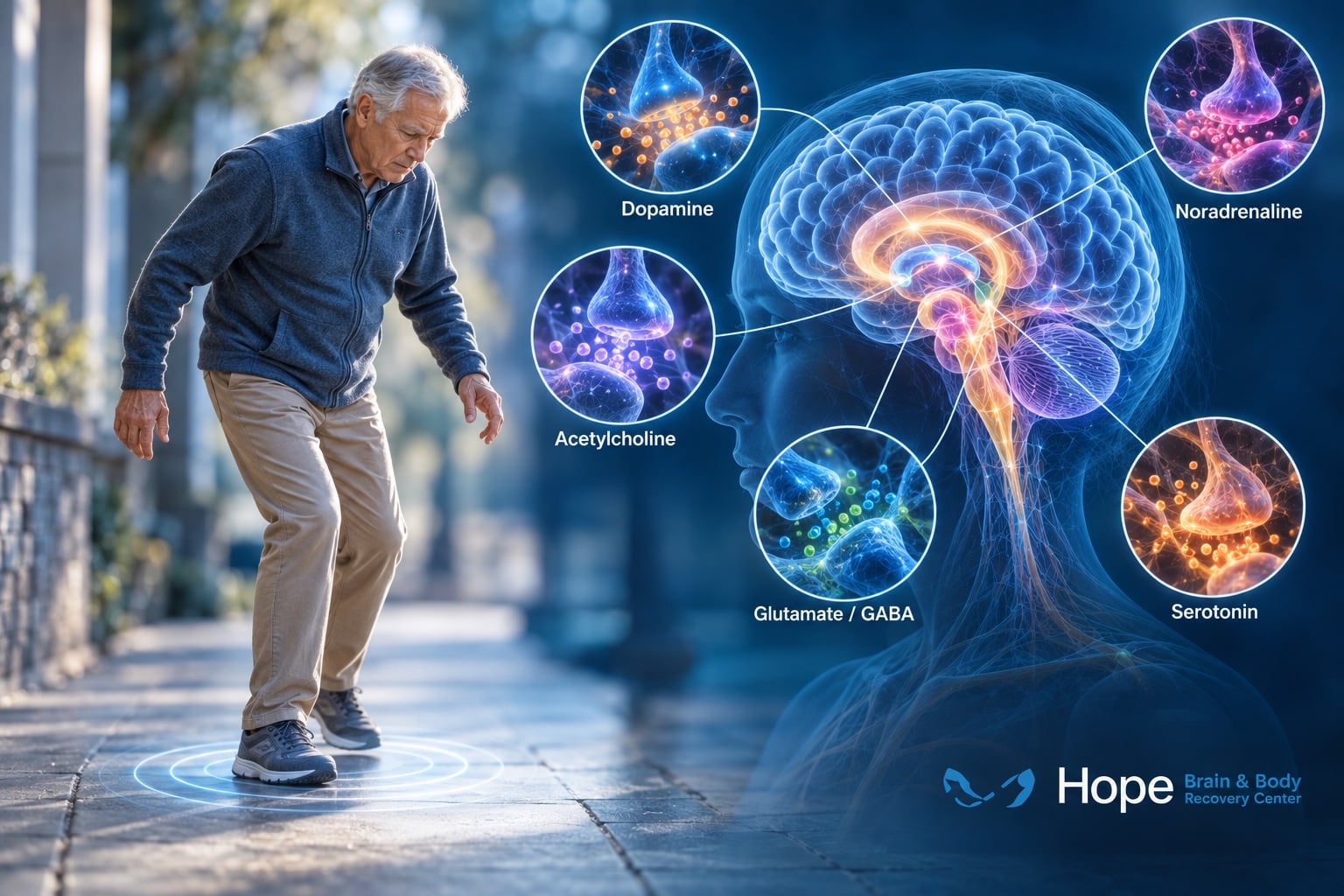
- Parkinson’s Link – Chronic exposure to toxins accelerates dopaminergic neuron loss, directly linking environmental exposure to neurodegenerative diseases such as Parkinson’s disease.
Reducing toxic exposure and supporting natural detoxification pathways are crucial components of brain inflammation recovery.
The Blood-Brain Barrier: A Fortress Under Siege
The blood-brain barrier (BBB) acts as the brain’s security system, regulating what enters from the bloodstream. Chronic inflammation, infection, and environmental stress can weaken this barrier, creating a “leaky brain.”
When the BBB is compromised, inflammatory mediators, toxins, and immune cells invade neural tissue—amplifying oxidative stress and leading to cognitive impairment, memory loss, and emotional instability.
At Hope Brain & Body, therapies that restore BBB integrity—through nutrition, neurofeedback, and oxygen-based rehabilitation—are key to halting this destructive cycle.
Molecular Pathways of Destruction
Understanding the cellular mechanics behind neuroinflammation helps explain why it leads to so many neurological disorders.
- Pathogen Recognition: Immune receptors (TLR2, TLR4, TLR9) detect infections and trigger an inflammatory cascade.
- Microglial Activation: Once activated, microglia shift from protective to destructive mode, releasing cytokines and free radicals.
- Cytokine Storm: Elevated TNF-α, IL-6, and IL-1β levels flood the brain, recruiting more immune cells and worsening inflammation.
- Synaptic Pruning: Prolonged inflammation damages synapses and myelin, impairing learning, memory, and coordination.
This chain reaction links infections, stress, and toxins directly to neurodegenerative diseases such as Alzheimer’s, Parkinson’s, and dementia.
From Infection to Neurodegeneration
Emerging research continues to strengthen the connection between inflammation and brain degeneration:
- 2.5x Higher Alzheimer’s Risk: Chronic bacterial and viral infections increase the risk of Alzheimer’s disease by more than double due to persistent neuroinflammation.
- 40% Reduced Risk with Anti-Inflammatories: Long-term anti-inflammatory therapy has been shown to reduce Alzheimer’s risk by up to 40%, emphasizing the importance of inflammation control.
Neuroinflammation is now recognized as a key driver of cognitive decline, making early detection and targeted intervention critical for preserving long-term brain health.
Healing Neuroinflammation: A Functional Approach
At Hope Brain & Body, we use functional neurology and precision-based therapies to identify and treat the root causes of brain inflammation. Our goal is to restore balance, improve communication between brain and body, and protect against further degeneration.
1. Gut Restoration
We begin by repairing intestinal permeability (“leaky gut”) through probiotics, personalized nutrition, and natural anti-inflammatory compounds that rebuild the gut barrier.
2. Immune Modulation
Instead of suppressing the immune system, we regulate it. Our targeted strategies calm overactive microglia while maintaining necessary immune protection.
3. Barrier Protection
Through specific nutrients, lifestyle interventions, and oxygen therapy, we help restore the blood-brain barrier and prevent further toxin infiltration.
4. Neurorehabilitation and Brain Support
Using neurofeedback, laser therapy, and cognitive training, we strengthen neural pathways, improving focus, memory, and mental resilience.
When addressed early, neuroinflammation can often be reversed—offering patients real hope for restoring function and preventing disease progression.
The Hidden Battle You Can Win
Neuroinflammation may be invisible, but its effects are profound—impacting everything from mental clarity and emotional stability to long-term brain health. The good news is that by identifying the sources of inflammation and supporting the body’s natural repair systems, you can take back control of your brain’s future.
If you’re experiencing persistent fatigue, mood swings, brain fog, or cognitive decline, it could be your brain’s way of signaling that something deeper is wrong.
🌿 Call to Action
At Hope Brain & Body Recovery Center in Chadds Ford, PA, our team specializes in uncovering the root causes of neurological inflammation and guiding patients toward lasting recovery. Through advanced functional neurology, personalized therapy, and compassionate care, we help you reclaim focus, energy, and brain health.
📞 Call us today at (610) 652-4732 or visit hopebraincenter.com/contact/ to schedule your consultation.
Don’t let hidden inflammation control your mind or your future—take the first step toward healing and clarity with Hope Brain & Body.