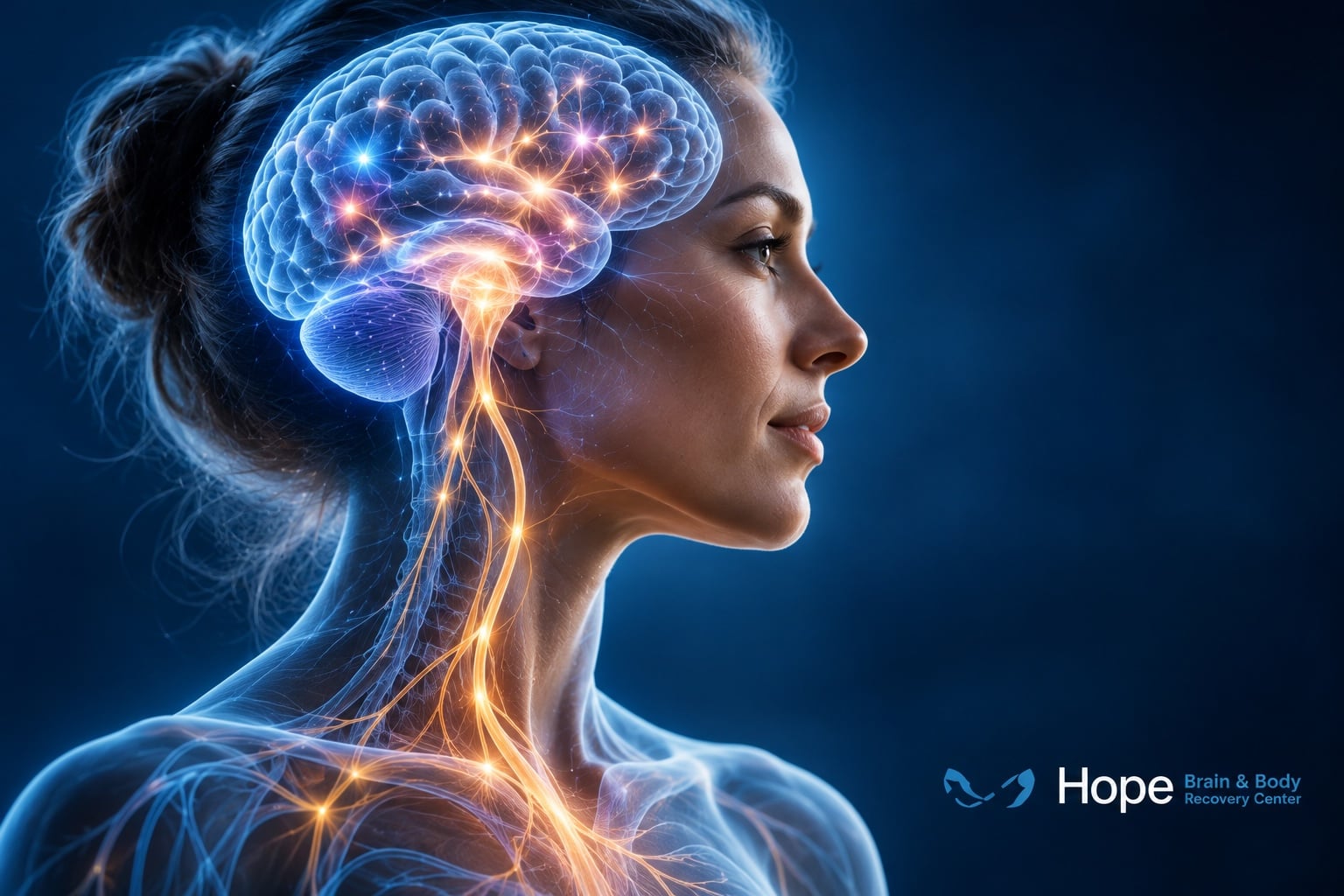
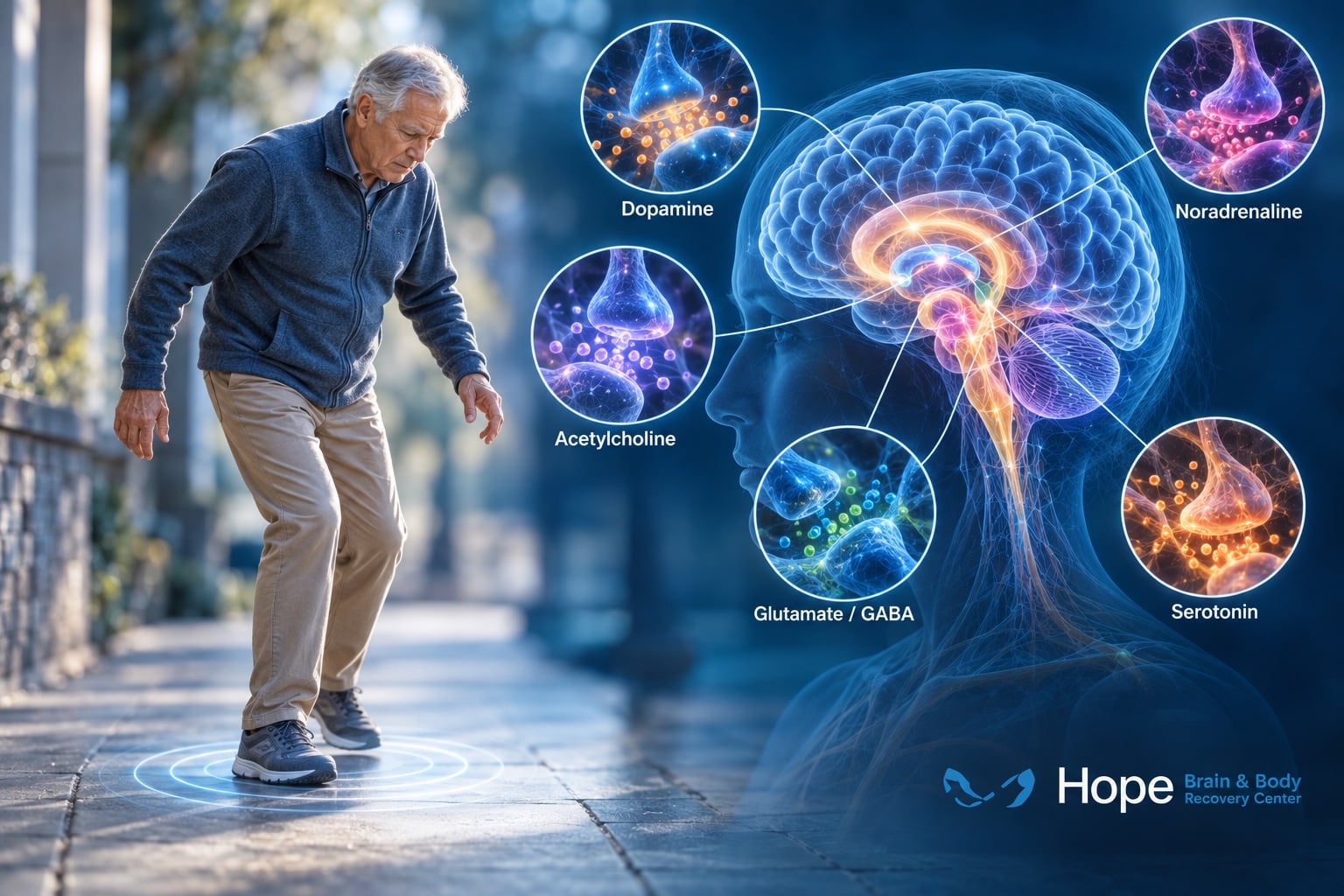
For decades, aging and cognitive decline were treated as unavoidable facts of life. Forgetfulness, reduced focus, and eventual neurodegeneration were often framed as passive processes—something that simply happens to the brain over time.
Modern neuroscience tells a very different story.
The brain is not a passive organ waiting to deteriorate. It is an active, adaptive, energy-demanding system that continuously works to preserve itself, reorganize, and thrive through engagement and experience. When supported correctly, the brain resists decline and actively seeks vitality.
This shift in understanding—from inevitability to agency—changes how we approach brain health, aging, and long-term cognitive resilience.
The Brain as an Engine of Survival
At its core, the brain is a survival machine. Large portions of it work nonstop to keep us alive, often without conscious awareness.
Hardwired for Life
Primitive brain regions such as the brainstem regulate breathing, heart rate, blood pressure, and other essential functions 24/7. These systems never rest, underscoring how deeply survival is prioritized in human biology.
Constant Vigilance
The amygdala continuously scans the environment for potential threats. When danger is detected, it triggers protective responses instantly—before conscious thought can intervene.
A High-Energy Organ
Although the brain accounts for only about 2% of body weight, it consumes roughly 20% of the body’s total energy. This disproportionate energy demand highlights just how vital neural function is.
From an evolutionary perspective, a degenerating brain would be a liability. Instead, the brain is designed to preserve function, adapt to challenges, and maintain capability for as long as possible.
How the Brain Resists Decline
The brain actively resists degeneration through built-in protective mechanisms.
Routine Formation
By turning repeated behaviors into habits, the brain conserves energy. Automated routines reduce cognitive load and free up resources for learning, creativity, and adaptation.
Self-Repair and Adaptation
After injury or stress, the brain initiates a multi-stage response:
- Protective mechanisms activate immediately
- Inflammation and cleanup processes begin
- New neural connections attempt to bypass damaged areas
- Functions reorganize to maintain capability
Glial cells clear damaged tissue, while neurons seek new pathways. This adaptive response demonstrates the brain’s intrinsic drive to preserve function rather than surrender it.
Neuroplasticity: The Brain’s Ability to Change
One of the most powerful discoveries in neuroscience is neuroplasticity—the brain’s ability to reorganize itself by forming new neural connections throughout life.
Learning Physically Changes the Brain
When you learn a new skill, the brain strengthens existing connections and builds new ones. Learning is not abstract—it is structural.
Compensatory Adaptation
When one area of the brain is compromised, other regions can sometimes assume its functions. This capacity is essential for recovery after injury and for adapting to age-related changes.
Memory Formation
The hippocampus constantly forms new connections as memories are created and consolidated. This ongoing remodeling shows that plasticity is not limited to childhood—it persists throughout the lifespan.
Neuroplasticity explains why the brain wants to be used. Inactivity—not age alone—accelerates decline.
What Strengthens a Living Brain
Certain behaviors consistently strengthen brain health and resilience.
Physical Movement
Exercise stimulates the release of growth factors that support neuron survival, repair, and communication. Just 30 minutes of moderate movement most days of the week can significantly improve cognitive performance.
Movement also increases blood flow, oxygen delivery, and metabolic efficiency in the brain.
Social Engagement
Meaningful social interaction activates multiple brain regions simultaneously. Conversation, emotional processing, memory recall, and executive function all engage at once, making social interaction one of the most cognitively demanding human activities.
Consistent social engagement is strongly associated with reduced cognitive decline.
Restorative Sleep
During deep sleep, the brain clears metabolic waste and consolidates memories. Information moves from short-term storage to long-term networks, organizing experiences and learning.
Poor sleep disrupts these processes, impairing memory, emotional regulation, and long-term brain health.
Lifestyle Choices That Protect Cognitive Function
Everyday lifestyle decisions have a profound impact on brain longevity.
Nourish the Brain
- Healthy fats support neuron membrane integrity
- Antioxidant-rich foods reduce oxidative stress
- Nutrients like vitamin E protect neural structures
Balanced, whole-food diets support long-term neurological resilience.
Challenge the Brain
The brain strengthens what it repeatedly engages with. Activities that involve novelty and complexity—such as learning new languages, playing strategy games, or exploring new environments—stimulate neural growth.
Mindfulness and Creativity
Practices like meditation, creative hobbies, and artistic expression support attention, emotional regulation, and memory. Creativity engages multiple brain systems simultaneously, providing powerful cognitive stimulation.
Mindset Matters: Purpose and Engagement
One of the most underestimated drivers of brain health is purpose.
The brain thrives when life includes:
- Meaningful goals
- Ongoing learning and growth
- Social connection
- Effective stress management
A strong sense of purpose engages motivation circuits, emotional regulation systems, and executive planning regions of the brain. People who feel their lives have meaning tend to maintain stronger cognitive function over time.
Purpose is not psychological fluff—it is neurological fuel.
Living for the Mind: A New View of Aging
Aging does not automatically equal decline. How we live determines how the brain ages.
Understand
Your brain actively works to preserve itself and maintain function.
Support
Movement, nutrition, sleep, challenge, and connection are not optional—they are biological requirements for brain health.
Engage
A full life—rich in curiosity, learning, creativity, and relationships—gives the brain what it needs to thrive.
The brain does not want to merely survive. It wants to live fully through engagement with the world.
Conclusion: The Brain Is Designed to Thrive
Degeneration is not the brain’s default setting. Chronic stress, isolation, inactivity, poor sleep, and lack of purpose accelerate decline—not age alone.
When the brain is moved, challenged, nourished, rested, and socially connected, it responds with growth, adaptability, and resilience. Neuroplasticity remains available at every stage of life.
The message is simple but powerful:
The brain wants to be lived.
And when we live fully—physically, socially, intellectually, and purposefully—we give it exactly what it needs to do what it was designed to do:
adapt, protect, and thrive.
Dr. Joseph Schneider
Dr. Joseph Schneider is a leading expert in functional neurology and brain-based rehabilitation, with decades of clinical experience helping patients optimize cognitive function, resilience, and long-term brain health. His work focuses on understanding how the brain adapts, protects itself, and thrives through purposeful engagement, movement, sensory input, and lifestyle-based neurological support. At Hope Brain Center, Dr. Schneider applies these principles to help individuals move beyond the outdated belief that brain decline is inevitable—guiding patients instead toward strategies that harness neuroplasticity, improve brain-body communication, and support the brain’s natural drive to stay active, adaptable, and alive.
FAQ
Q1: Is brain degeneration an inevitable part of aging?
No. While aging can influence the brain, degeneration is not inevitable. The brain is highly adaptive and works actively to maintain function when it is engaged, challenged, and supported through healthy lifestyle choices.
Q2: What does it mean that the brain “wants to be lived”?
It means the brain thrives on engagement. Learning, movement, social connection, creativity, and purpose stimulate neural activity and encourage the brain to adapt and strengthen rather than decline.
Q3: What is neuroplasticity and why is it important?
Neuroplasticity is the brain’s ability to reorganize itself by forming new neural connections throughout life. It allows the brain to learn new skills, adapt after injury, and maintain cognitive function as we age.
Q4: How does physical movement support brain health?
Regular physical movement increases blood flow to the brain and stimulates growth factors that support neuron health. Even moderate exercise performed consistently can improve memory, focus, and overall cognitive performance.
Q5: Why is social interaction important for the brain?
Social interaction activates multiple brain regions at the same time, including those involved in memory, emotion, and executive function. Meaningful social engagement is strongly associated with reduced cognitive decline.
Q6: How does sleep affect brain function and aging?
During deep sleep, the brain clears metabolic waste and consolidates memories. Poor or insufficient sleep disrupts these processes, increasing the risk of cognitive impairment over time.
Q7: Can learning new things really change the brain?
Yes. Learning new skills physically changes the brain by strengthening existing neural pathways and creating new ones. Activities that involve novelty and challenge are especially beneficial for long-term brain health.
Q8: Does having a sense of purpose affect cognitive health?
Yes. A strong sense of purpose engages motivation, emotional regulation, and executive planning networks in the brain. People with clear purpose tend to maintain better cognitive function as they age.
Q9: What lifestyle habits best support a healthy brain?
The most supportive habits include regular movement, restorative sleep, balanced nutrition, ongoing learning, stress management, creativity, and meaningful social connection.
Q10: What is the most important takeaway for protecting brain health?
The brain is not designed to decline passively. It responds positively to engagement, challenge, and purpose. Living an active, connected, and curious life gives the brain what it needs to thrive.