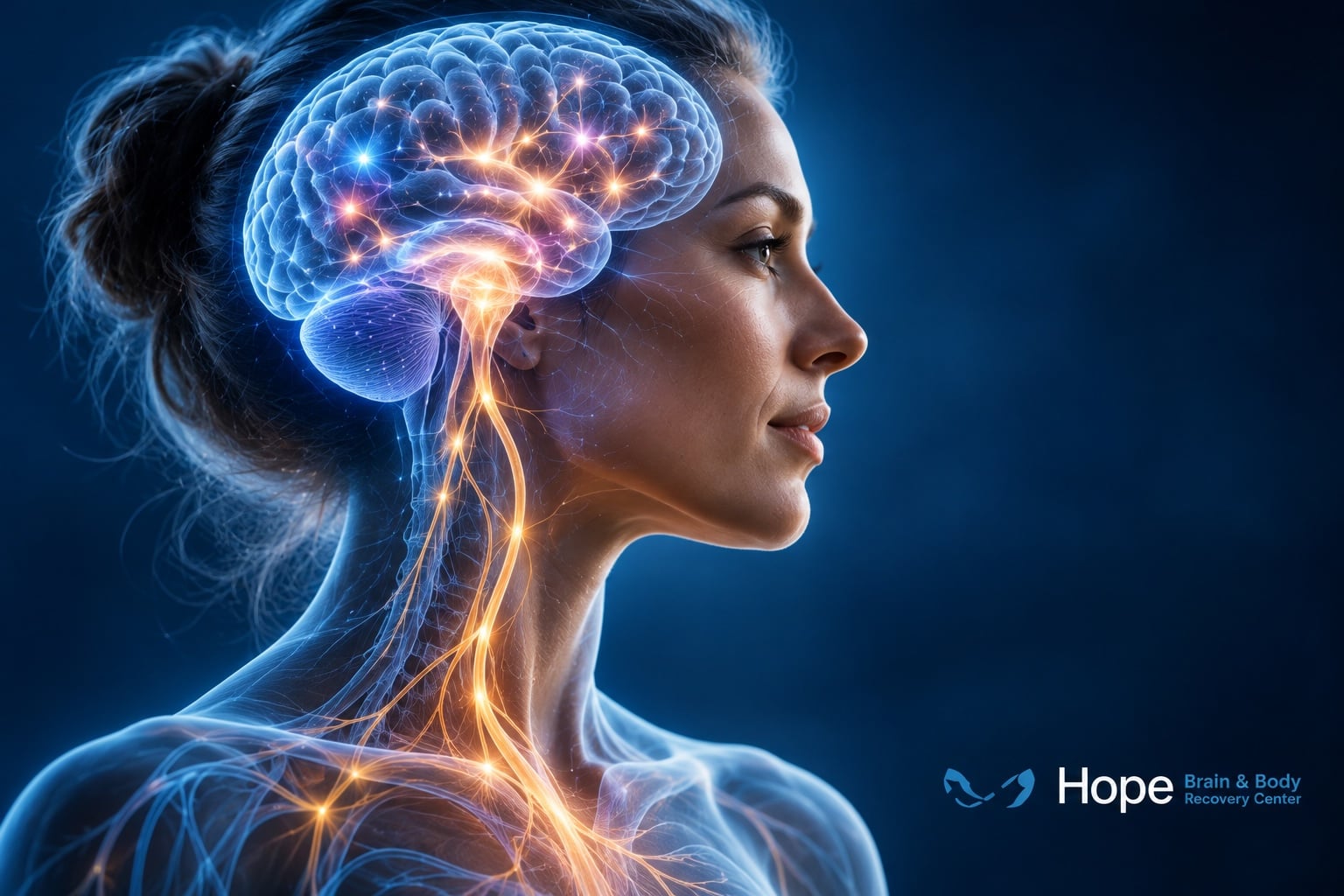
Your brain needs an incredible 20-25% of your body’s total energy to function. It manages a vast network of 100 billion neurons with 100 trillion connections. This complex gut-brain connection is a vital part of your overall well-being. Most people damage this connection through their daily food choices without even realizing it.
The typical American’s diet consists of 60% ultra-processed foods, which has created a silent mental health crisis. Research reveals that people who eat these processed foods have almost double the risk of developing depression. Depression will likely become one of our biggest health challenges by 2030.
The sort of thing I love is how our diet shapes our mental health. Let’s get into the fascinating connection between your gut-brain. You’ll learn practical ways to strengthen this important relationship and boost your emotional well-being.
Understanding Your Gut-Brain Connection
“Recent studies suggest that in close interactions with its resident microbes, the Gut-Brain Connection can influence our basic emotions, our pain sensitivity, and our social interactions, and even guide many of our decisions—and not just those about our food preferences and meal sizes.” — Emeran Mayer, Professor of Medicine, Physiology and Psychiatry at UCLA
Your digestive system and brain connect through an amazing two-way communication network. The signals between your gut-brain exceed those of any other body system. Your gut has more nerve cells than anywhere else except your brain.
What happens in your gut affects your brain
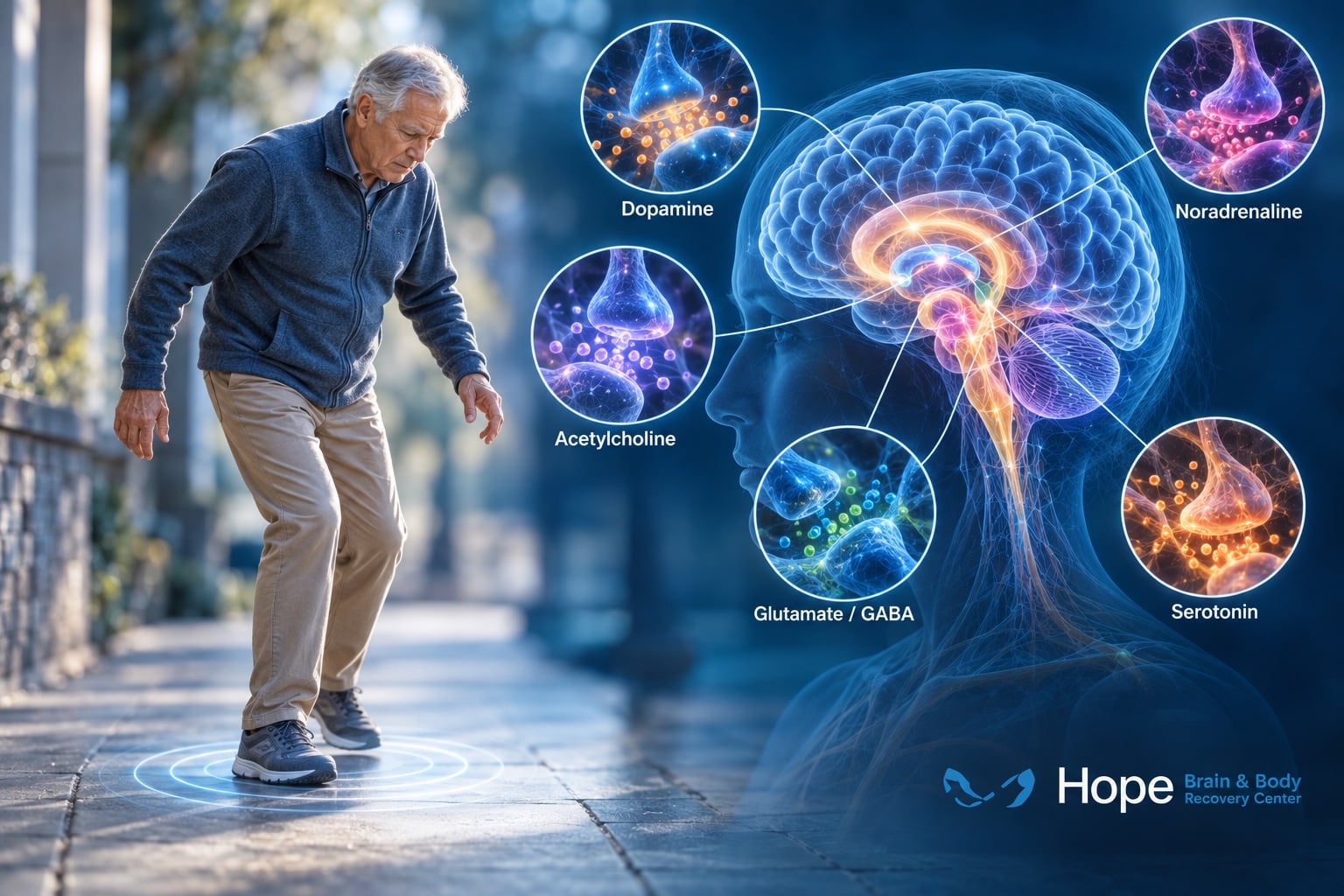
Your gut and brain talk to each other constantly through multiple Gut-Brain pathways. You might feel “butterflies in your stomach” before big events or experience “gut-wrenching” anxiety – that’s this connection at work. Your gut makes over 90% of your body’s serotonin, which controls mood, sleep, and appetite.
The vagus nerve acts as the main communication channel between these Gut-Brain Connection systems. Signals travel in both directions, but messages from your gut to brain are nine times more frequent than those going the other way.
Key players in the gut-brain system
Your gut’s nervous system, the enteric nervous system, has 500 million neurons that manage digestive functions. These neurons work with special cells called enteroendocrine cells. Though these cells make up just 1% of gut cells, they play a vital role in keeping your gut balanced.
The gut microbiome contains trillions of bacteria that produce important neurotransmitters affecting your brain function. These include:
- Gamma-aminobutyric acid (GABA) – helps control fear and anxiety
- Dopamine – affects mood and motivation
- Serotonin – influences emotional well-being
- Short-chain fatty acids – maintain gut barrier and reduce brain inflammation
Signs of an unhealthy gut-brain connection
Problems arise when this delicate system loses balance. Studies show 40-90% of people with irritable bowel syndrome also have anxiety and depression symptoms. Research shows that gut bacteria imbalances can affect:
- Hunger and food cravings
- Stress levels and emotional responses
- Cognitive function and memory
- Pain sensitivity
- Immune system function
Stress can make gut sensations feel stronger, while intense gut feelings can increase stress levels. This creates a difficult feedback loop. Scientists have found that changes in gut bacteria can alter how neurotransmitters work and produce, which might lead to mood disorders.
How Modern Diet Affects Mental Health
Recent studies show a worrying connection between how we eat today and our mental health. People who eat nine or more servings of ultra-processed foods daily are 50% more likely to develop depression than those who eat four or fewer servings.
How processed foods affect us
Ultra-processed foods make up 50-90% of what people eat worldwide. These foods contain high levels of salt, sugar, and artificial additives that change our brain chemistry. People who eat these foods show a 28% faster decline in their thinking abilities. The gut microbiome becomes more inflammatory and releases molecules that make depression more likely.
Sugar and mood connection
Sugar intake and mental health share a strong link. Studies show that eating more sugar makes depression 28% more common. Unstable blood sugar levels can look like mental health symptoms and cause irritability and anxiety.
When you eat refined carbohydrates, your body responds by lowering blood sugar levels, which leads to mood swings and tiredness. Sugar intake can disrupt purinergic transmission – your brain might not release enough ATP, which causes inflammation.
Nutritional deficiencies and brain function
Today’s processed diets often lack nutrients that your brain needs. Studies show that eating more ultra-processed foods leads to lower levels of:
- Fiber, protein, and essential minerals like zinc and magnesium
- Critical vitamins including A, C, D, E, B12, and niacin
These nutrient gaps can hurt your brain’s function and its ability to produce neurotransmitters. Your gut produces 95% of your body’s serotonin, so good nutrition is vital for managing emotions.
Traditional diets like Mediterranean and Japanese cuisines lower depression risk by 25-35% compared to Western diets. These diets focus on whole foods, vegetables, fruits, and unprocessed grains that naturally support your brain’s function and emotional health.
Foods That Boost Gut and Brain Health
“If your microbiome is healthy, your brain is going to be healthy. When we think of mental health, we have to think about our gut as well.” — Arpana “Annie” Gupta, Co-director of the Goodman-Luskin Microbiome Center at UCLA
The right foods can boost your digestive and mental health. Research shows that what you eat directly affects the gut-brain axis, which provides natural support for psychological wellbeing.
Probiotic-rich foods
Fermented foods pack beneficial microorganisms that support your gut health and mental function. These foods help maintain a healthy intestinal barrier and stop toxins from entering your bloodstream. Here are some great probiotic-rich options:
- Yogurt, kefir, and sauerkraut – these contain lactic acid bacteria that change brain activity
- Kimchi, miso, tempeh, and kombucha – they release good bacteria that create the perfect environment for neurotransmitter production
Your gut bacteria can combine vitamins K and B-complex, which helps prevent deficiencies that affect mental health. Scientists found that Lactobacillus, present in fermented foods, helps control interferon gamma levels. This plays a vital role in managing stress response and preventing depression.
Brain-boosting nutrients
The right nutrients can substantially affect your cognitive function. Your brain’s overall weight consists of 20% omega-3 fatty acids, particularly EPA and DHA. Cold-water fish like salmon, mackerel, and sardines are great sources of these vital fats.
More foods that power your brain include:
- Green leafy vegetables packed with vitamin K, lutein, and folate slow down cognitive decline
- Berries full of flavonoids improve memory – women who ate two servings weekly delayed memory decline by 2.5 years
- Walnuts rich in alpha-linolenic acid (ALA) help improve cognitive test scores
Foods rich in antioxidants protect your brain cells from oxidative damage. Studies show that higher vitamin E intake associates with better verbal memory and language fluency. Cocoa seeds contain flavonoid antioxidants that increase blood vessel dilation and protect arterial lining.
Prebiotic foods such as asparagus, bananas, oats, and garlic help stimulate beneficial gut bacteria. These break down into short-chain fatty acids that reduce gut inflammation and support healthy cell growth effectively.
Creating a Mental Health Diet Plan
Better eating habits can make a big difference in your mental health. Research shows that eating more fruits and vegetables helps reduce mental health symptoms. This provides a natural way to improve your emotional well-being.
Step-by-step diet changes to aid the Gut-Brain Connection
Your first step should be finding and fixing deficiencies in key nutrients like magnesium, zinc, B vitamins, and vitamin D. The next step is to slowly adopt Mediterranean-style eating patterns. Studies show this can reduce depression symptoms by 20.6 points on the Beck Depression scale.
These steps help maintain steady blood sugar levels throughout the day:
- Plan and prep meals ahead to avoid making hunger-based food choices
- Add healthy fats from nuts, seeds, avocados, and olive oil
- Mix proteins with complex carbohydrates at every meal
Meal timing and mental health
Your meal timing plays a direct role in psychological health. A Harvard Medical School study found that eating at irregular times increased depression-like symptoms by 26% and anxiety levels by 16%. Regular meal schedules are vital.
Brain function works best when you split your daily calories this way:
- Breakfast: 28.5% of daily calories
- Lunch: 36.3% of daily calories
- Dinner: 33.8% of daily calories
People who skip breakfast see their cognitive test scores drop by 0.14 points each year. Starting your day with a good breakfast helps your brain work better all day long.
Gut-Brain Health – Foods to avoid
Research points to several foods that can make mental health symptoms worse. Try to avoid or limit:
- Ultra-processed foods with artificial additives
- Refined carbohydrates that spike blood sugar
- Foods high in mercury that disrupt emotional balance
- Artificial sweeteners that link to behavior and thinking problems
Whole, nutrient-rich foods should be your focus. A 2019 study showed that eating more fruits and vegetables helps reduce mental health symptoms. Your mood and focus can suffer even from mild dehydration, so drink enough water throughout the day.
Gut-Brain Connection Conclusion
Scientific evidence shows how our food choices shape both physical and mental well-being. Today’s diets, filled with ultra-processed foods, create major challenges for our gut-brain connection. These foods could double the risk of depression. Understanding this vital relationship gives us the ability to make better dietary choices.
Research shows that a switch to whole, nutrient-dense foods and consistent meal timing can reduce depression symptoms by a lot. Adding probiotic-rich foods and brain-boosting nutrients supports optimal cognitive function and emotional balance.
These dietary changes might feel daunting initially. Simple, steady changes create lasting improvements in Gut-Brain health. You can make a real difference in your mental well-being by taking simple steps. Add more fruits and vegetables or include fermented foods in your diet.
Expert guidance can help streamline your path to better health. Hope Brain and Body in Chadds Ford, PA provides tailored treatment with Chiropractic Care among Wellness and Functional Neuro, Gut-Brain Health and now Stem Cell Therapy. Our team at Hope Brain & Body welcomes your call at (610) 652-4732 to schedule a visit to our offices in Chadds Ford, Pennsylvania. Patients can expect better symptom control and improved overall well-being with ongoing advances in understanding and managing adrenal POTS.
Your Gut-Brain health need attention. Mindful eating choices and proper support create positive changes that benefit your physical and mental health. Take the first step toward better well-being today – your future self will thank you.