Discover why taking vacations isn’t a luxury—it’s a scientifically proven necessity. Learn how time away reduces stress, improves cognitive performance, boosts immunity, enhances sleep, and strengthens emotional wellbeing.
Vacation: Why Taking Time Off Recharges Your Brain and Body
In a world where we are constantly connected, continuously stimulated, and endlessly multitasking, the idea of taking time off can seem indulgent—even irresponsible. Yet science tells a very different story. Stepping away from your daily routine is not only beneficial but essential for long-term physical, mental, and emotional health.
The attached article Vacation: Time to Recharge Your Brain and Body offers a powerful deep dive into the measurable ways rest and travel rejuvenate your system. Below is an expanded, SEO-rich blog post based on its insights.


Why We Need a Break From the “Always On” Lifestyle
Today’s hyperconnected world makes true downtime rare. With smartphones, email notifications, social media, and blurred work-life boundaries, the brain hardly gets relief from processing, responding, and performing.
Page 2 of the document highlights several consequences of this nonstop lifestyle:
- Chronic stress leading to burnout, fatigue, and illness
- Digital technology keeping us constantly “on”
- Work-life boundaries diminishing day by day
Research consistently shows that vacations act as a reset button—lowering stress chemistry, improving mood, and restoring mental clarity.
Instant Brain Benefits: What Happens When You Step Away
Within just 24 hours of beginning a vacation, your brain experiences measurable changes. Page 3 outlines three key neurological benefits.
1. Lower Cortisol Levels
Vacations quickly reduce cortisol—the body’s primary stress hormone. Reduced cortisol is associated with:
- Better mood
- Improved immune function
- Enhanced memory
- Better metabolic regulation
2. Increased “Feel-Good” Neurochemistry
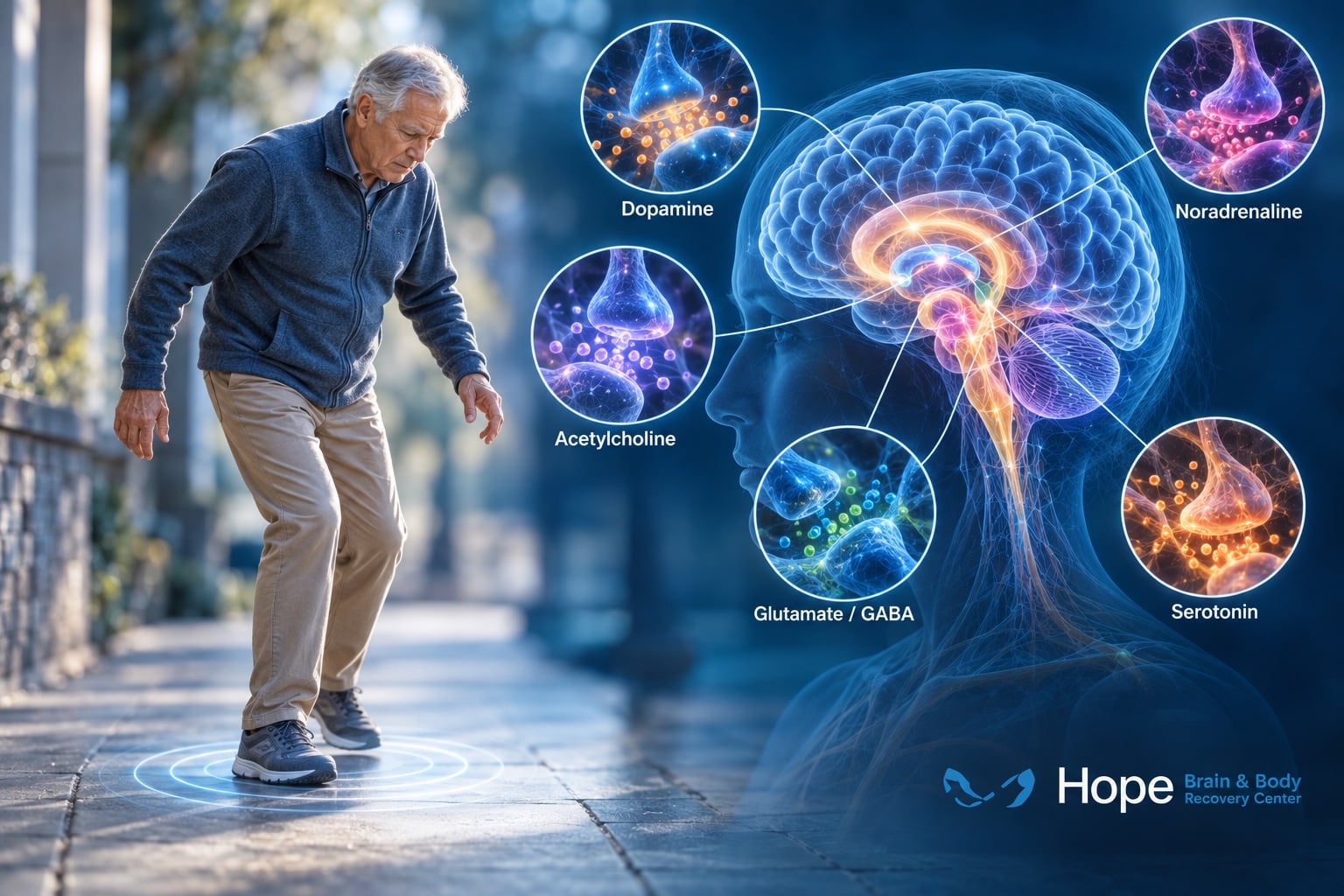
Stepping away triggers the release of dopamine and serotonin. These neurotransmitters help enhance:
- Happiness
- Emotional balance
- Motivation
- Overall mental wellness
3. Rapid Cognitive Improvement
Even short breaks like long weekends can improve:
- Focus
- Creativity
- Memory
- Problem-solving ability
These findings show that even brief pauses in routine can produce meaningful cognitive boosts.


The Physical Health Wins of Taking Time Off
Vacations don’t just make you feel good—they improve measurable markers of physical health. Page 4 includes a striking set of statistics:
👉 40% Lower Risk of Heart Disease
Regular vacationers show dramatically reduced risk of cardiovascular issues compared to those who rarely take time off. Lower stress levels play a major role, as do better sleep and increased physical activity during trips.
👉 30% Better Immune Function
Studies cited show that inflammatory proteins decrease while immune response markers increase during vacations. Less stress = stronger immunity.
👉 2× Better Sleep Quality
Not only do people sleep better during vacation, but elevated sleep quality can persist for up to two weeks afterward. High-quality restorative sleep improves hormone regulation, cognitive function, metabolism, and mood.

Mental Recharge, Burnout Prevention, and Motivation Boosts
The mental and emotional rejuvenation that comes with taking time off is profound. Page 5 describes how vacations strengthen cognitive and emotional resilience.
Sharper Cognitive Performance
Research shows vacations help improve:
- Memory retention
- Information processing speed
- Complex problem-solving
- Decision-making clarity
A rested brain is a smarter, more efficient brain.
Burnout Prevention
Time away allows the nervous system to downshift. Regular breaks reduce emotional exhaustion and protect you from burnout—particularly in high-stress or care-based professions.
Renewed Purpose and Motivation
Time off offers perspective. It allows you to reassess priorities, rediscover passions, and return to your daily routine with fresh energy.
Vacations Fuel Creativity and Brain Growth
Page 6 explores one of the most underrated benefits of taking time off: the enhancement of creativity and neuroplasticity.
Novel Experiences Create New Neural Connections
New environments challenge the brain, encouraging it to form new pathways. This “neuroplasticity boost” supports:
- Learning
- Adaptability
- Problem-solving
- Creative thinking
Better Cognitive Flexibility
Navigating new cities, cultures, or environments cultivates adaptive thinking. Your brain becomes more flexible, responsive, and innovative.
Inspiration Through Exposure
Different languages, cultures, architecture, and natural environments spark fresh ideas. Many people report their best thoughts and breakthroughs happening away from home.
Social and Emotional Gains That Last Long After You Return
Vacations are powerful for emotional connection and relationship health. Page 7 explains three core social benefits.
Stronger Relationships
Travel is one of the best ways to deepen bonds with partners, family, and friends. Shared experiences create memories and emotional closeness.
Greater Cultural Understanding & Empathy
Exposure to different cultures broadens your worldview, increases empathy, and helps build emotional intelligence.
Long-Lasting Emotional Boosts
Positive vacation memories act like emotional “reserves.” Revisiting them mentally (photos, stories, souvenirs) can boost happiness for months or even years.
How to Recharge Best: Science-Backed Strategies
Page 8 provides a simple strategy for making your time off truly restorative.
1. Make Time—Schedule Breaks Proactively
Don’t wait until you’re burnt out. Schedule:
- Mini-breaks
- Mental health days
- Long weekends
- Full vacations
Consistency matters more than duration.
2. Transition Wisely
Build in a buffer day before returning to work. Gradual re-entry reduces stress and preserves the benefits of your break.
3. Seek Novelty and New Experiences
You don’t need to fly across the world—novelty is the key.
Try:
- Changing your environment in small ways
- Exploring a new city
- Visiting a new museum
- Trying a new activity
Novelty stimulates the brain and creates lasting, meaningful memories.
Final Thoughts: Make Vacation a Non-Negotiable Part of Your Wellness Routine
As the document concludes, your brain and body need regular opportunities to reset. Vacation time isn’t frivolous—it’s a powerful, science-backed tool for improving longevity, happiness, productivity, creativity, and emotional health.
Taking time off makes you a healthier, happier, more resilient version of yourself. And that benefits not just you, but your family, your work, and your overall quality of life.
Experience personalized, neuroscience-based care at Hope Brain Center.
Your healing journey starts here.
Schedule your visit at our Chadds Ford clinic:
6 Dickinson Dr, Ste 310, Chadds Ford, PA 19317
📍 Directions
📞 Prefer to talk? Call us at +1 (610) 652-4732
💻 Or reach out online anytime: https://hopebraincenter.com/contact/