Discover the neurological connection between vertigo, nausea, vomiting, and GI paresis. Advanced care in Chadds Ford, PA.
Many patients spend years moving from specialist to specialist trying to understand why they feel constantly dizzy, nauseated, bloated, or sick after eating.
One doctor focuses on the inner ear. Another examines the stomach. A third evaluates migraines. Yet despite multiple appointments, scans, medications, and referrals, many people are still left without a complete explanation.
What if these symptoms are not separate problems at all?
What if vertigo, dizziness, vomiting, and gastrointestinal paresis are actually part of the same neurological network dysfunction?
At Hope Brain & Body Recovery Center in Chadds Ford, Pennsylvania, we believe many chronic neurological and gastrointestinal symptoms cannot be fully understood in isolation. Emerging research in vestibular neurology, autonomic dysfunction, and the gut-brain axis is changing the way clinicians think about these seemingly unrelated conditions.
For patients across the Brandywine Valley and throughout the United States, this systems-based perspective may finally provide missing answers—and a clearer path toward recovery.
The Clinical Puzzle: Why These Symptoms Are So Often Misunderstood
Patients experiencing vertigo, nausea, vomiting, bloating, dizziness, or delayed digestion are often treated within completely separate medical silos.
This fragmented approach can lead to:
- Missed diagnoses
- Delayed treatment
- Chronic symptom escalation
- Confusion and frustration
- Years of ineffective therapies
A patient may see:
- An ENT specialist for dizziness
- A gastroenterologist for bloating
- A neurologist for headaches
- A cardiologist for autonomic symptoms
But the underlying mechanism connecting all of these symptoms may never be addressed.
The Bigger Insight
Modern neuroscience increasingly suggests that these symptoms may share a common neurological origin.
That realization changes everything.
The Surprising Connection Between the Vestibular System and the Gut
The vestibular system is responsible for balance, motion detection, and spatial orientation. It helps your brain understand where your body exists in space.
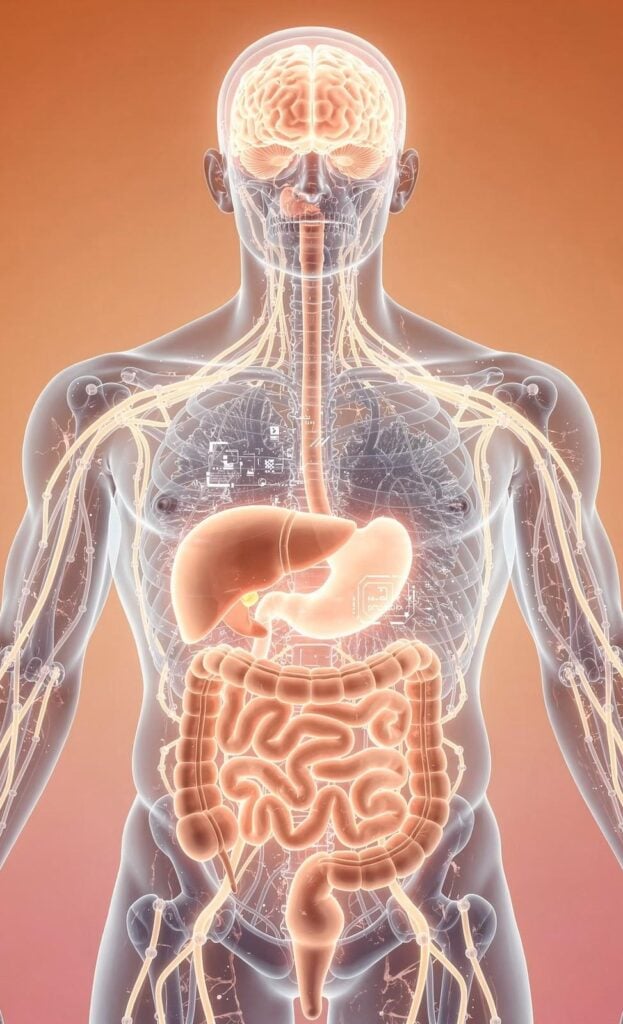
But many people do not realize that the vestibular system is deeply connected to the gastrointestinal tract through shared brainstem pathways.
Motion Sickness Is the Perfect Example
Almost everyone has experienced some form of motion sickness:
- Car sickness
- Sea sickness
- Nausea from spinning rides
Why does a balance disturbance trigger nausea?
Because vestibular signals communicate directly with brain regions involved in digestive regulation and vomiting reflexes.
The Nucleus Tractus Solitarius (NTS)
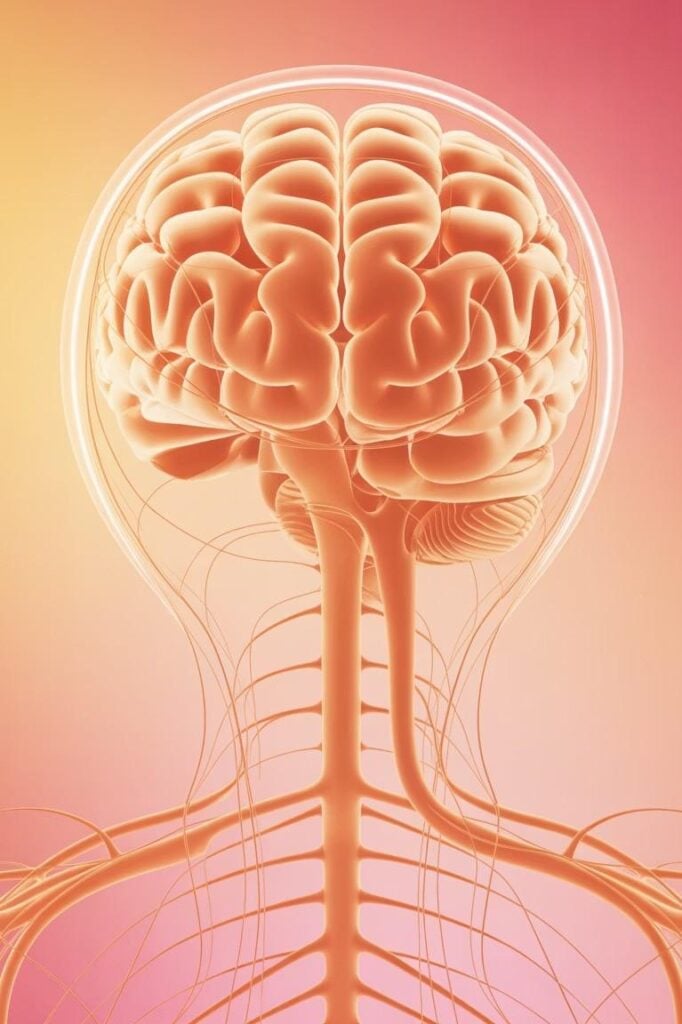
Vestibular signals project into an important brainstem hub called the nucleus tractus solitarius (NTS). This same structure also processes signals coming from the gut.
This anatomical overlap helps explain why:
- Inner ear dysfunction can trigger nausea
- Vertigo often causes vomiting
- Digestive symptoms worsen during vestibular attacks
- Brainstem dysregulation affects both systems simultaneously
“The brain does not separate the vestibular system and digestive system as cleanly as medicine often does.” Dr. Joseph Schneider – The Brain Whisperer

The Vagus Nerve: The Hidden Highway Between Brain and Gut
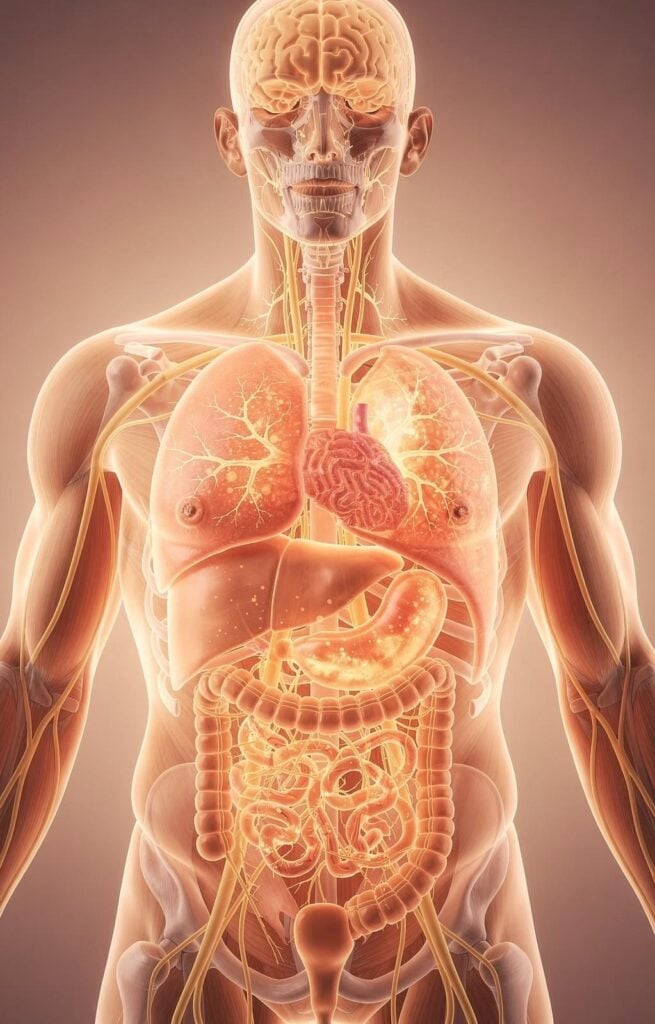
One of the most important players in this entire process is the vagus nerve.
The vagus nerve (cranial nerve X) acts as a communication superhighway connecting:
- The brainstem
- Inner ear pathways
- The heart
- The digestive tract
- Autonomic nervous system regulation
Remarkably, about 80% of vagal signals travel from the body back to the brain—not the other way around.
Why This Matters
If vagal signaling becomes disrupted, patients may experience:
- Delayed gastric emptying
- Nausea
- Vomiting
- Dizziness
- Heart rate irregularities
- Sensitivity to motion
- Autonomic instability
The body essentially loses efficient communication between major systems.
Symptoms That May Suggest Vagal Dysfunction
- Feeling full quickly
- Chronic bloating
- Food sitting heavily in the stomach
- Dizziness when standing
- Motion sensitivity
- Unexplained nausea
- Digestive slowing during stress
Nausea and Vomiting: Where Multiple Systems Collide
The body’s vomiting response is not controlled by one single organ.
Instead, the chemoreceptor trigger zone (CTZ) and brainstem vomiting centers integrate information from several systems simultaneously.
These inputs include:
- Vestibular signals
- Gut distension
- Toxic exposures
- Pain pathways
- Cortical stress responses
- Inflammatory signaling
This means one dysfunction can activate an entire symptom cascade.
For example:
- Vestibular dysfunction triggers dizziness
- Brainstem centers activate nausea pathways
- Gut motility slows
- Vomiting reflexes intensify
- Symptoms feed back into the nervous system
This is why patients often feel trapped in cycles where dizziness worsens nausea—and nausea worsens dizziness.
Vestibular Migraine: One Diagnosis That Explains Multiple Symptoms
One of the most overlooked diagnoses in neurology is vestibular migraine.
Most people think migraines only involve headaches. But migraine is actually a complex neurological disorder affecting sensory processing, autonomic regulation, and brainstem function.
Vestibular Migraine Symptoms
Vestibular migraine can produce:
- Vertigo
- Dizziness
- Motion sensitivity
- Nausea
- Vomiting
- Visual disturbances
- Brain fog
- Balance problems
In some patients, vertigo becomes the dominant symptom—even more than headache pain.
Migraine-Associated Gastroparesis
The source document also highlights migraine-associated gastroparesis, where gastric emptying slows significantly during migraine attacks.
This can lead to:
- Severe bloating
- Delayed digestion
- Vomiting
- Medication absorption problems
- Early fullness after eating
Patients may believe they have separate neurological and digestive disorders when they are actually manifestations of one interconnected migraine spectrum condition.
“Migraine is not just a headache disorder. It is a brain network disorder that can affect balance, digestion, vision, pain, and autonomic regulation.” Dr. Joseph Schneider – The Brain Whisperer
Autonomic Nervous System Dysfunction: The Shared Root
The autonomic nervous system (ANS) controls many automatic body functions:
- Heart rate
- Blood pressure
- Digestion
- Temperature regulation
- Balance adaptation
- Vagal tone
Both gastroparesis and vestibular dysfunction can emerge from autonomic nervous system dysregulation.
Conditions Commonly Linked to ANS Dysfunction
- Post-viral syndromes
- Long COVID
- Diabetes
- Autoimmune disorders
- Chronic inflammatory conditions
- Dysautonomia
- POTS
- Chronic migraine disorders
When autonomic pathways malfunction, patients may simultaneously experience:
- Delayed digestion
- Dizziness
- Lightheadedness
- Motion sensitivity
- Nausea
- Poor vestibular compensation
Important Diagnostic Testing
The presentation notes that autonomic testing may reveal dysfunction affecting multiple systems at once.
Examples include:
- Tilt-table testing
- Heart rate variability analysis
- Vestibular evaluation
- Functional neurological assessment
The Problem with Treating Symptoms in Isolation
One of the most powerful sections of the source presentation follows the journey of a patient whose symptoms were fragmented across specialties for nearly two years.
The Patient Journey
Step 1: Neurological Symptoms Begin
Vertigo and severe headaches develop.
Step 2: Digestive Symptoms Emerge
Vomiting, bloating, and early satiety appear.
Step 3: Separate GI Diagnosis
Gastroparesis is identified and treated independently.
Step 4: The Missing Link Is Found
Vestibular migraine with autonomic involvement is finally recognized.
Step 5: Integrated Treatment Improves All Symptoms
A systems-based approach leads to significant symptom improvement.
This story reflects the experience of countless patients nationwide.
Why Siloed Medicine Can Delay Recovery
When systems are evaluated separately:
- Root mechanisms may be missed
- Symptoms become chronic
- Patients lose hope
- Treatment becomes reactive instead of strategic
An integrated neurological framework often reveals patterns invisible to isolated evaluations.
The Gut-Brain Axis: A New Framework for Understanding Chronic Symptoms
The gut-brain axis describes the constant bidirectional communication between the nervous system and gastrointestinal system.
This communication occurs through:
- The vagus nerve
- Immune signaling
- Neurotransmitters
- Hormonal pathways
- Microbiome interactions
- Inflammatory cascades
Central Sensitization
Central sensitization occurs when the nervous system becomes hyper-reactive.
This can lower thresholds for:
- Pain
- Motion sensitivity
- Vestibular signals
- Digestive discomfort
- Sensory overload
Microbiome Influence
Emerging evidence suggests gut microbiome imbalances may influence:
- Neuroinflammation
- Vagal tone
- Migraine activation
- Vestibular sensitivity
Neuroinflammation
Shared inflammatory pathways may sensitize both:
- Vestibular nuclei
- Enteric nervous system pathways
This helps explain why patients frequently experience neurological and digestive symptoms together.
“The gut and brain are not separate conversations. They are continuously communicating through an intricate neurological network.” Dr. Joseph Schneider – The Brain Whisperer
A Systems-Based Approach to Neurological Recovery
At Hope Brain & Body Recovery Center in Chadds Ford, PA, we believe patients deserve more than fragmented symptom management.
A systems-based neurological approach asks:
- How are these symptoms connected?
- What brain-body networks are involved?
- Is autonomic dysfunction contributing?
- Could vestibular dysfunction influence digestion?
- Is migraine physiology driving multiple symptoms simultaneously?
This integrated lens may help uncover root mechanisms missed by isolated evaluations.
Find Advanced Neurological Evaluation in Chadds Ford, Pennsylvania
If you have spent months—or years—searching for answers to persistent vertigo, nausea, dizziness, vomiting, or gastroparesis symptoms, a systems-based neurological perspective may help reveal important missing connections.
At Hope Brain & Body Recovery Center, we work with patients from Chadds Ford, the Brandywine Valley, greater Pennsylvania, and across the United States who are seeking advanced approaches to complex neurological and autonomic conditions.
Our goal is to look beyond isolated symptoms and better understand the interconnected brain-body networks contributing to chronic dysfunction.
Schedule an Appointment
Hope Brain & Body Recovery Center
6 Dickinson Dr, Ste 310
Chadds Ford, PA 19317
📞 Phone: (610) 652-4732
If you are ready to explore a more comprehensive neurological approach to vertigo, dizziness, migraine, autonomic dysfunction, or gastrointestinal symptoms, contact the center today to schedule an appointment and visit our Chadds Ford office.