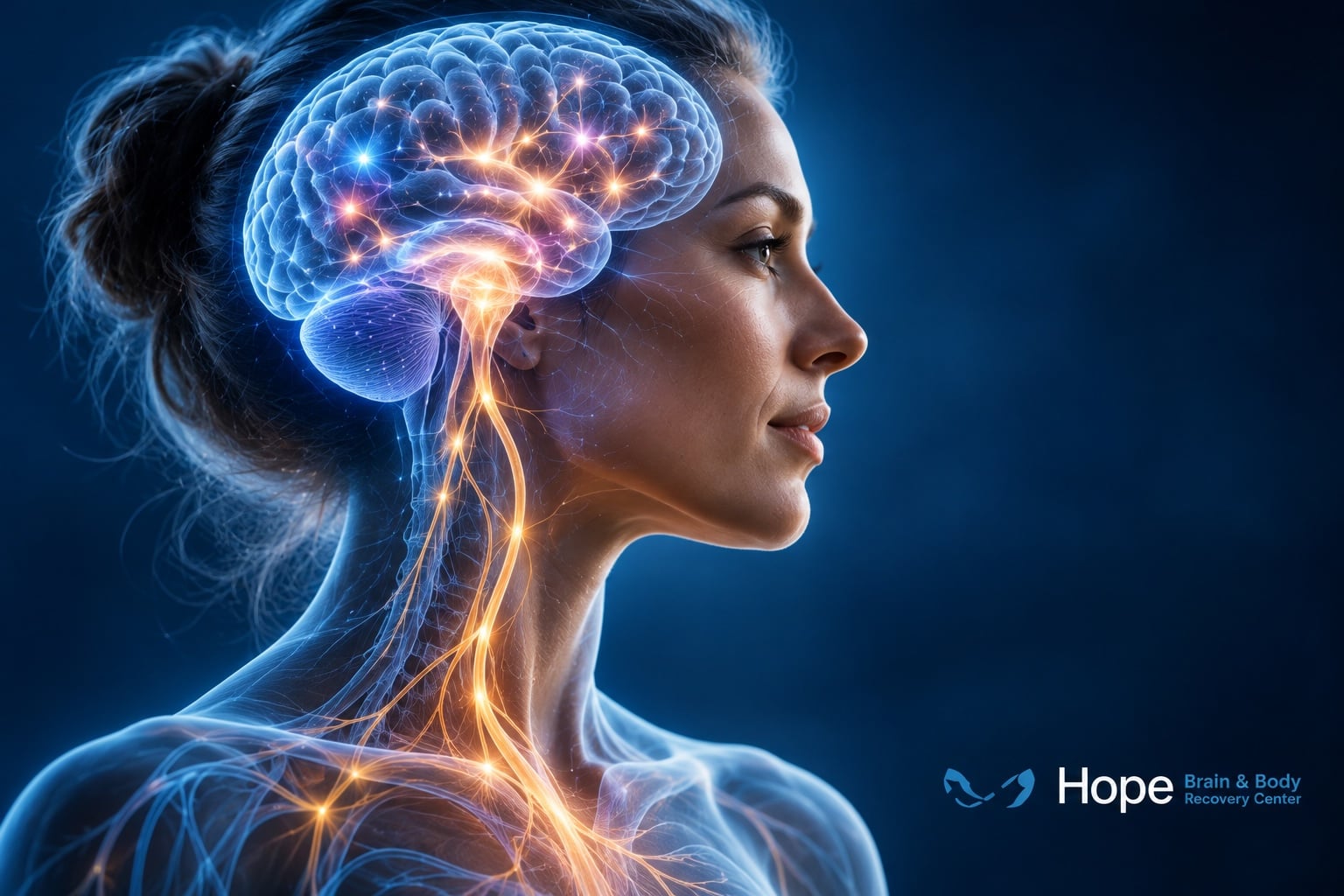
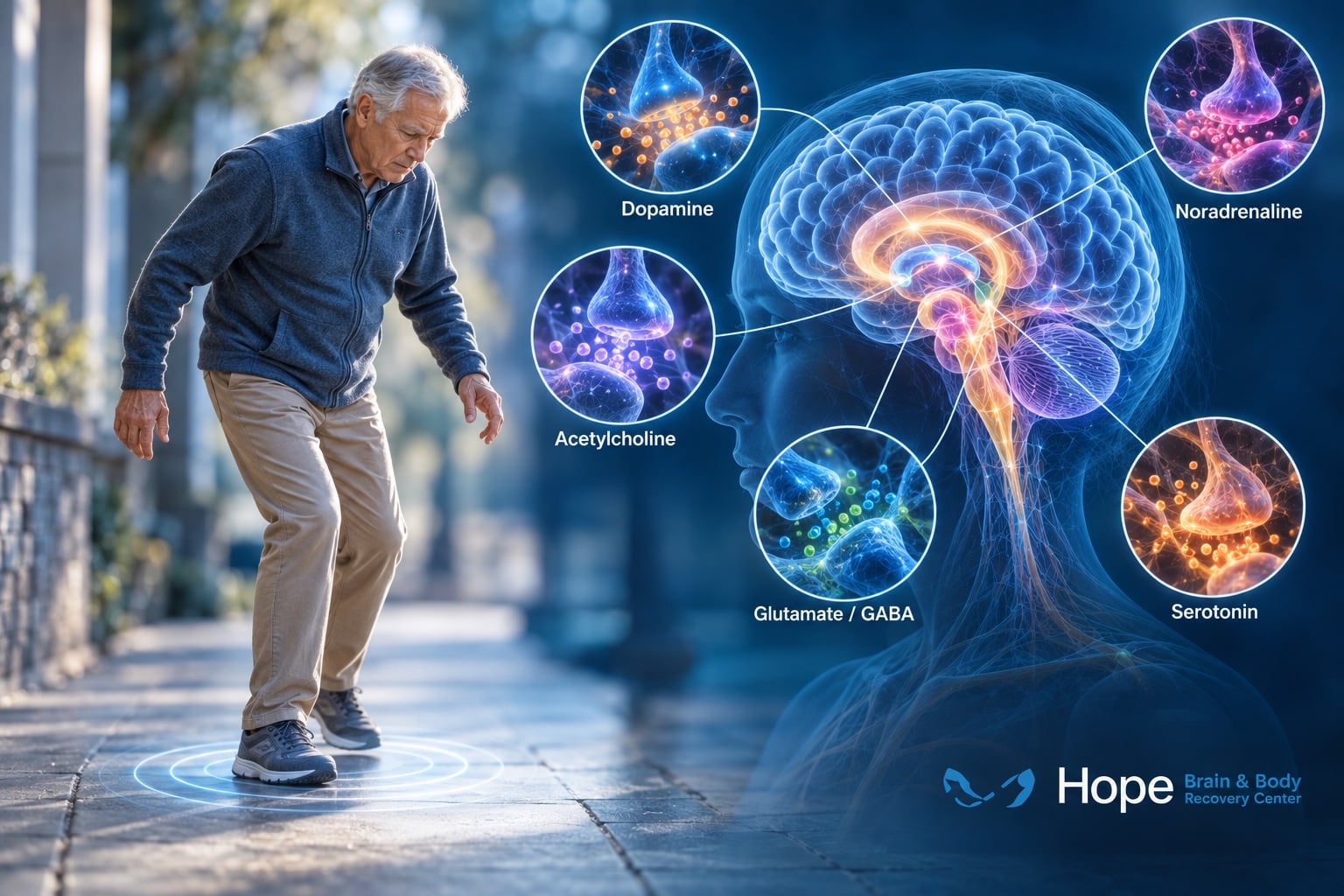
Neuroplasticity—once thought to be a mysterious process that only occurred during childhood—is now recognized as a dynamic, lifelong capability of the brain. It’s how we learn new skills, adapt to changes in our environment, form habits, and even recover from trauma. And it’s the force behind the popular phrase “nerves that fire together, wire together.”
In this post, we’ll explore what neuroplasticity is, how it works, why it matters for health and healing, and how you can actively shape your brain through daily choices.
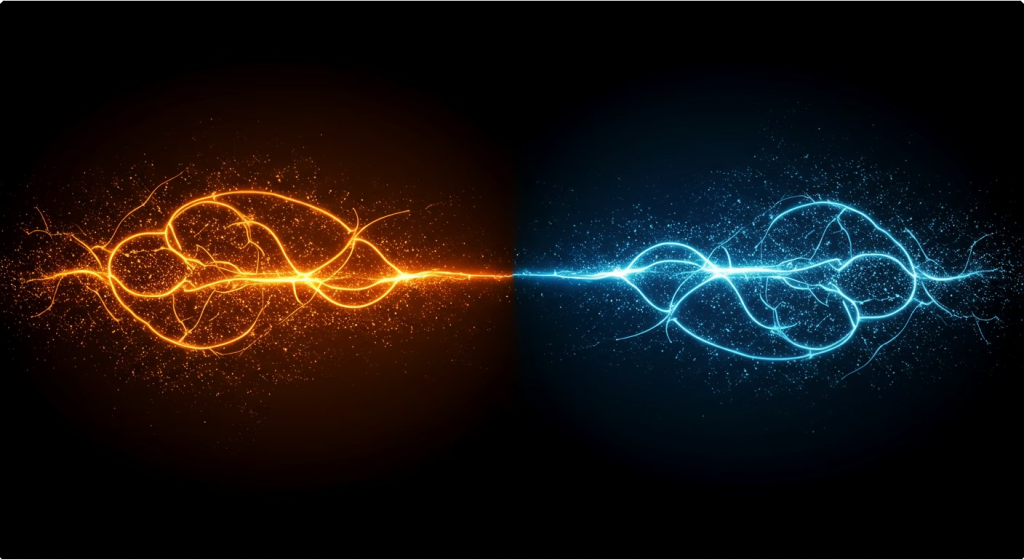
What Does “Nerves That Fire Together Wire Together” Mean?
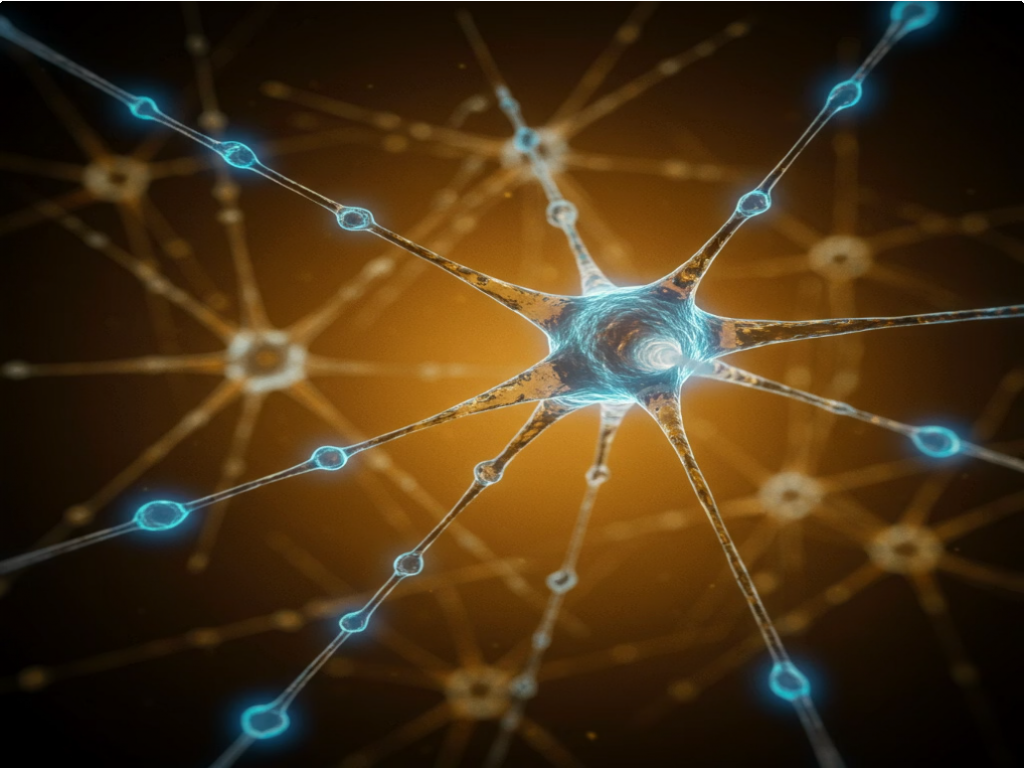
This phrase is rooted in Hebb’s Law, named after psychologist Donald Hebb, who proposed that when two neurons are activated at the same time, the connection between them strengthens. Repeated activation makes the neural pathway more efficient—leading to stronger habits, faster learning, and more automatic behaviors. Essentially, the brain is always rewiring itself based on what we repeatedly do, think, or feel.
This means the brain is not fixed or static—it’s adaptable, malleable, and capable of change at every stage of life.
What Is Neuroplasticity?
Neuroplasticity is the brain’s ability to change its structure and function in response to experience, learning, or injury. This includes:
- Forming new connections between neurons
- Strengthening existing pathways
- Eliminating (pruning) less-used connections
- Reorganizing entire brain regions after trauma or significant experience
It allows us to recover from strokes, learn new languages, adapt to changing environments, or overcome chronic pain and emotional trauma.
How Neuroplasticity Shows Up in Daily Life
Neuroplasticity isn’t limited to dramatic moments like injury or rehabilitation—it’s happening all the time. Here’s how:
1. Learning New Skills
From learning to play an instrument to mastering a new language, every new activity triggers changes in the brain. The more you practice, the stronger the connections become. This is why repetition is critical for memory and skill development.
2. Environmental Adaptation
Moving to a new city? Changing careers? Becoming a parent? Your brain adapts by creating new circuits to handle the novel challenges and stimuli. This keeps you mentally flexible and able to thrive in different circumstances.
3. Habit Formation
Both good and bad habits are born from neuroplasticity. Repeating a behavior—whether it’s mindfulness meditation or stress-eating—wires that pattern deeper into your brain’s circuitry, making it easier to repeat.
The Dual Nature of Neuroplasticity
Neuroplasticity is not inherently good or bad—it simply responds to repetition and reinforcement.
🔹 Synaptic Strengthening
When we focus on a task or repeat a thought or behavior, those neural connections grow stronger. This helps us get better at the things we practice.
🔹 Synaptic Pruning
On the flip side, connections that are rarely used are weakened or eliminated altogether. This is essential for brain efficiency and helps free up resources for more important functions.
That’s why “use it or lose it” applies not just to muscles but also to mental abilities.
Neuroplasticity Isn’t Just for Kids
While it’s true that children’s brains are highly plastic, adults also experience neuroplasticity throughout life. Key research milestones have shown this:
- 1960s–70s: Studies showed that adult brains could adapt to environmental enrichment.
- 1980s–90s: Brain imaging proved that the adult brain continues to rewire itself.
- 2000s–Today: Widespread research shows adults can re-learn motor skills, recover from trauma, and reshape emotional responses—even in their 80s and 90s.
Real-World Examples of Neuroplasticity
Stroke Recovery
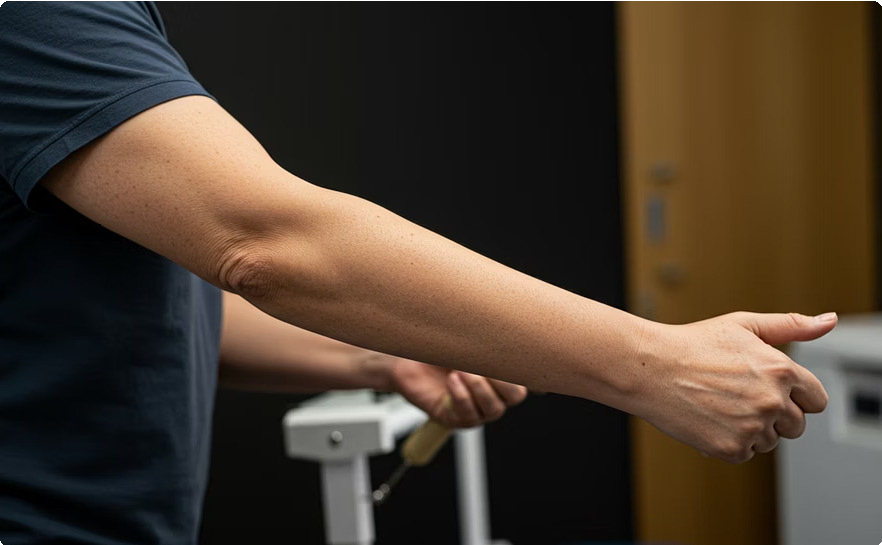
After a stroke damages certain brain regions, other parts of the brain can compensate. With physical therapy and repetition, patients can relearn motor skills and speech, showing how the brain can rewire after injury.
Musicians’ Brains
Musicians have significantly larger areas of the brain dedicated to motor control and auditory processing. These differences emerge from years of practice—proof that structured, long-term training reshapes the brain.

London Taxi Drivers
Studies found that London cab drivers, who must memorize complex routes through the city, have enlarged hippocampi—the brain region responsible for navigation and memory. This structural difference reflects the demands of their profession.

Practical Ways to Boost Neuroplasticity
You don’t have to be a taxi driver or stroke survivor to benefit from neuroplasticity. Here are everyday ways to harness it:
🔁 Repetition
Practice a skill regularly. Repetition is what strengthens neural pathways.
🧠 Challenge Your Brain
Learn a new language, instrument, or game. Novelty stimulates plasticity.
🚶♀️ Move Your Body
Physical activity boosts brain-derived neurotrophic factor (BDNF), a protein that supports neuroplasticity.
🧘♀️ Practice Mindfulness
Meditation and mindful breathing enhance attention, emotional regulation, and memory by reshaping brain structures.
😴 Prioritize Sleep
Deep sleep consolidates learning and promotes cellular repair in the brain.
🤝 Socialize
Positive social interaction can help reduce stress, improve cognition, and stimulate new neural connections.
Conclusion: You’re the Sculptor of Your Brain
Neuroplasticity empowers us to rebuild, rewire, and renew. Whether you’re recovering from trauma, aiming to adopt better habits, or simply want to age gracefully, understanding that your brain is always changing gives you a powerful edge.
The takeaway? What you repeatedly do, think, and feel becomes your brain’s default mode. So choose wisely—and deliberately shape the life and mind you want to live.
FAQ: Neuroplasticity
Q: Is neuroplasticity only active in children?
No. While children’s brains are more plastic, adults retain neuroplasticity throughout life. Learning, therapy, physical activity, and new experiences all stimulate it.
Q: How long does it take to rewire the brain?
It varies. Simple habits may take 21–66 days to establish, while more complex rewiring (e.g., trauma recovery or learning new skills) can take months or even years.
Q: Can neuroplasticity help with anxiety or depression?
Yes. Therapies like Cognitive Behavioral Therapy (CBT) and mindfulness meditation harness neuroplasticity to reframe thought patterns and regulate emotions.
Q: Can you strengthen your brain like a muscle?
In a sense, yes. Just like working out builds muscle, mental exercise, learning, and repetition strengthen brain pathways.
Q: Are bad habits also a result of neuroplasticity?
Absolutely. Repetitive negative behaviors or thoughts can reinforce unhealthy neural circuits. The good news: you can overwrite them with healthier patterns over time.
Q: How does neuroplasticity impact recovery from brain injury?
After injury (like a stroke), the brain often finds alternate pathways to perform lost functions. With therapy and effort, many individuals experience partial or full recovery thanks to neuroplasticity.