The world of neurological care is evolving—and fast. Traditional diagnostic methods are being replaced by smarter, faster, and more precise technologies powered by artificial intelligence.
At Hope Brain Center, patients now have access to NeuroAI, a revolutionary diagnostic platform designed to transform how brain health is evaluated.
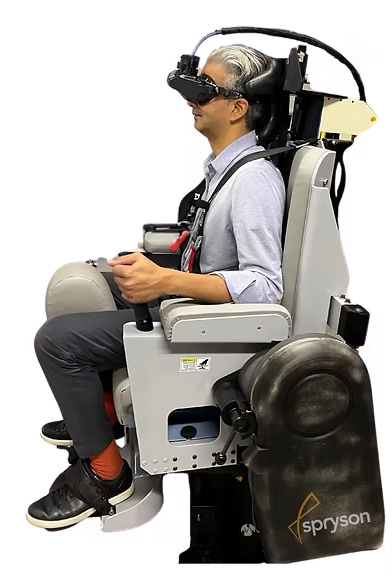
Instead of relying on subjective observations alone, NeuroAI uses AI, real-time data, and advanced eye-tracking technology to detect neurological dysfunction earlier and more accurately than ever before.
🚀 What Is NeuroAI?
NeuroAI is an AI-driven neurological diagnostic platform that provides deep insights into brain function using advanced technology.
It combines:
- Eye-tracking diagnostics
- Predictive AI analytics
- Real-time data processing
- Biomarker detection
This allows clinicians to uncover hidden neurological patterns that traditional testing methods often miss.
According to the platform overview, NeuroAI captures subtle neurological markers invisible to conventional diagnostics—making it a powerful tool for early intervention.
👉 Learn more about brain health services:
https://hopebraincenter.com/

🔬 How NeuroAI Works
NeuroAI is built on a structured system known as NeuroAI Protocols, designed to provide comprehensive neurological assessments.
These protocols analyze multiple domains of brain function, including cognitive performance, motor coordination, and autonomic regulation.
The 5-Step Diagnostic Process
As shown in the workflow (page 4):
- Patient intake
- Signal acquisition
- Feature extraction
- AI-driven pattern analysis
- Clinical reporting
This structured pipeline ensures precision, consistency, and reliability in every assessment.
🧪 NeuroCheck: Full Brain Health Screening
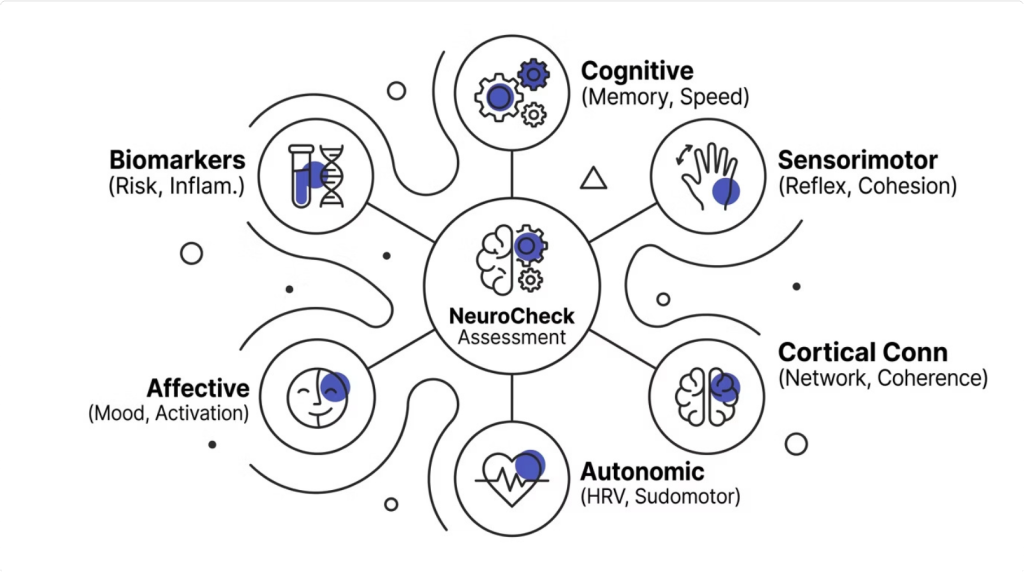
The flagship assessment within NeuroAI is NeuroCheck, a powerful tool for evaluating overall brain health.
From the diagram on page 3, NeuroCheck measures:
- Cognitive processing speed
- Executive function
- Cortical connectivity
- Sensorimotor integration
- Autonomic nervous system activity
- Risk-based biomarkers
This allows clinicians to detect early signs of dysfunction—even before noticeable symptoms appear.
At Hope Brain Center, NeuroCheck is used for both:
- Preventative brain health screening
- Monitoring neurological conditions
👉 Explore services:
https://hopebraincenter.com/brain-health/
🤖 AI-Powered Precision: What Makes NeuroAI Different
What truly sets NeuroAI apart is its deep signal analysis powered by AI.
According to page 5, the system processes:
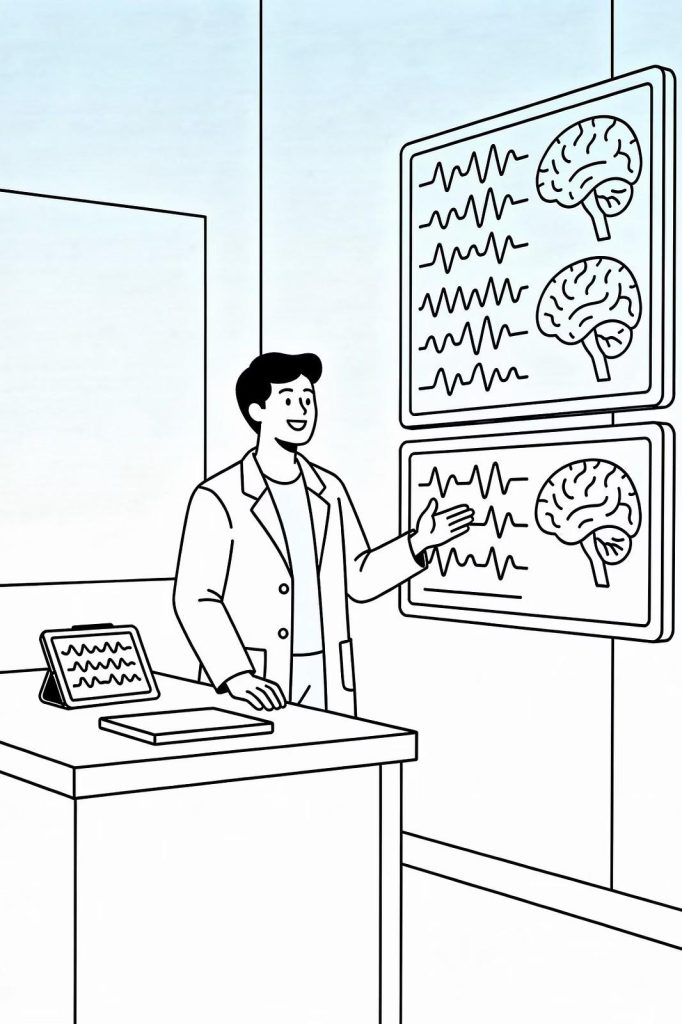
- EEG and neural signals
- Cognitive task data
- Behavioral responses
This enables detection of early-stage neurological issues such as:
- Alzheimer’s disease
- Parkinson’s disease
- Concussion-related dysfunction
Real-Time Clinical Insights
NeuroAI provides:
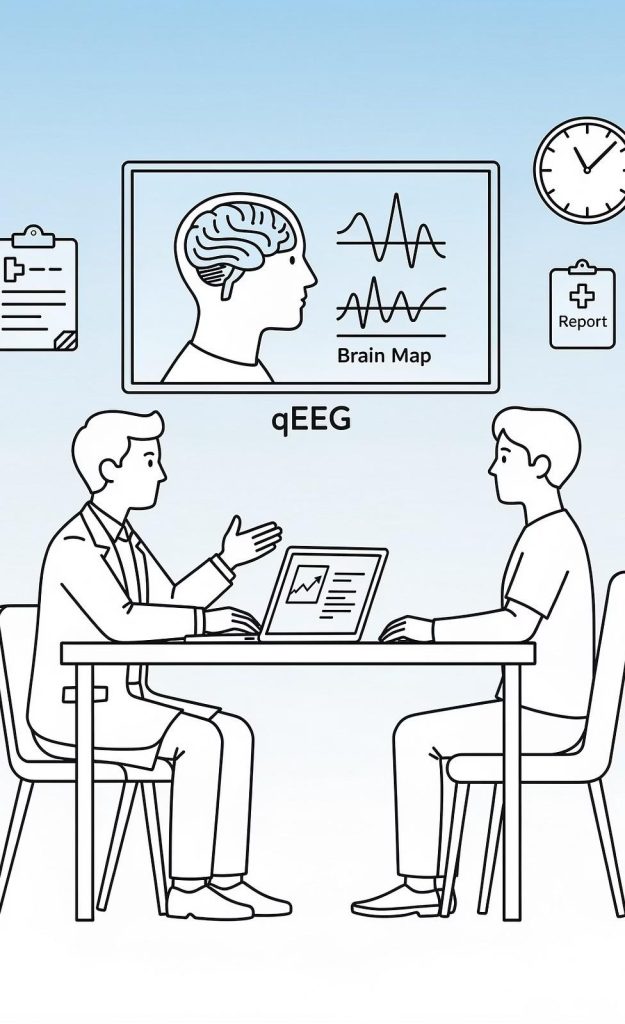
- Clear, clinician-friendly reports
- Highlighted abnormal brain regions
- Confidence scores and risk analysis
This transforms complex data into actionable clinical decisions.
📊 Proven Clinical Performance
NeuroAI is backed by strong clinical validation.
From page 6:
- 94% diagnostic sensitivity
- 91% specificity
- Tested across 12,000+ patients
- 3x faster reporting than traditional methods
This means patients receive:
✔ Faster answers
✔ More accurate diagnoses
✔ Better treatment planning
🧩 Conditions NeuroAI Can Help Detect
Neurodegenerative Disorders
NeuroAI supports early detection and monitoring of:
- Alzheimer’s disease
- Parkinson’s disease
- Dementia
👉 Learn more:
https://hopebraincenter.com/neurology/
Concussions and Brain Injuries
NeuroAI provides real-time concussion assessment, detecting subtle neurological changes quickly and accurately.
Perfect for:
- Athletes
- Children
- Post-injury recovery
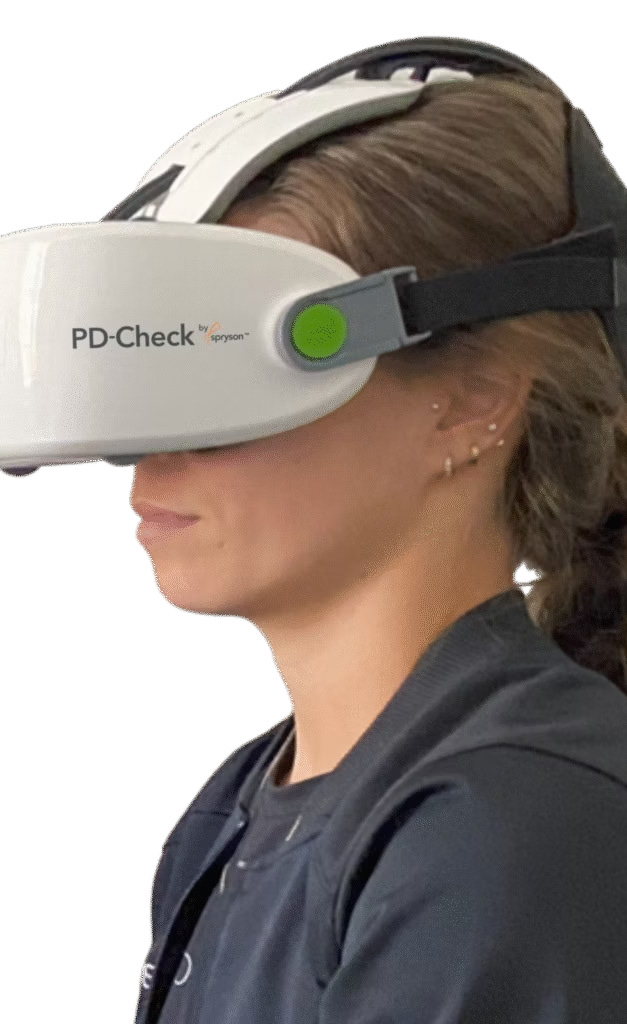
Parkinson’s Disease (PD-Check)
NeuroAI includes PD-Check, a breakthrough diagnostic tool using:
- Eye-tracking
- AI biomarker analysis
- Predictive modeling
Currently under FDA breakthrough designation, this technology is shaping the future of Parkinson’s detection.
Pediatric Brain Health
NeuroAI is advancing pediatric neurology by analyzing:
- Eye movement
- Balance
- Reaction time
- Cognitive function
This enables objective evaluation of brain development and recovery in children.
🧠 Why NeuroAI Matters
NeuroAI represents a shift from:
❌ Reactive care → ✅ Proactive brain health
❌ Subjective testing → ✅ Objective data
❌ Late diagnosis → ✅ Early detection
At Hope Brain Center, this technology is part of a mission to deliver cutting-edge neurological care with personalized treatment strategies.
👉 Book a consultation:
https://hopebraincenter.com/contact/
🔗 External Authority Links
- National Institute of Neurological Disorders and Stroke
https://www.ninds.nih.gov/ - Harvard Medical School – Brain Health
https://www.health.harvard.edu/topics/brain-health
🔗 FAQ
What is NeuroAI brain testing?
NeuroAI brain testing uses artificial intelligence, eye-tracking, and neurological data to assess brain function and detect early signs of neurological disorders.
Is NeuroAI testing safe?
Yes, NeuroAI is non-invasive and uses safe technologies such as eye-tracking and neurological signal analysis.
What conditions can NeuroAI detect?
It can help identify Alzheimer’s, Parkinson’s, concussions, and other neurological conditions.
How long does NeuroAI testing take?
Testing is typically completed in a single session, with results processed significantly faster than traditional methods.
Where can I get NeuroAI testing in Pennsylvania?
NeuroAI testing is available at Hope Brain Center in Chadds Ford, PA.