Exploring the excitement, hope, and highs of the “what if?” world. Gambling and prediction games aren’t just games of chance—they’re emotional, psychological roller coasters. From scratch-offs and sports bets to fantasy leagues and crypto forecasts, they offer an irresistible cocktail of anticipation, optimism, and brain chemistry.
Let’s dive into what makes gambling so fun—and sometimes dangerously addictive.
The Thrill of the Unknown
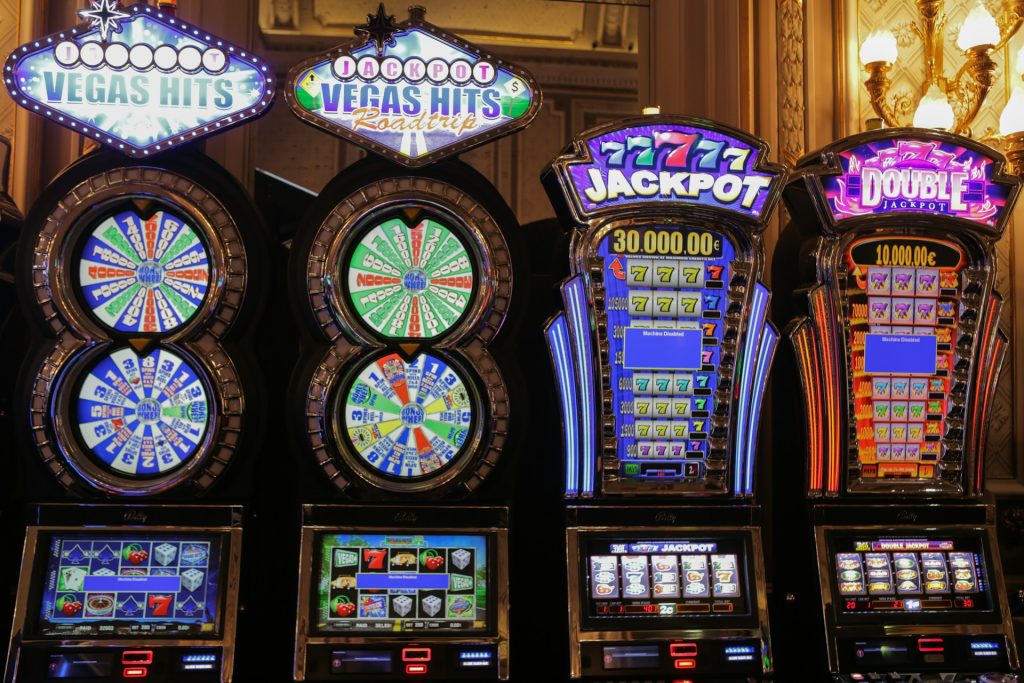
Gambling breaks the monotony of everyday life. Each bet—large or small—creates a moment of suspended reality where anything feels possible.
- Escape from routine: A bet is a break from bills and emails.
- Anticipation rush: The time between placing and knowing is intoxicating.
- Brain activation: “Predictable unpredictability” sparks dopamine release.
👉 Read more: The Science of Uncertainty and Excitement – Psychology Today
The Power of Optimism
Even when the odds are against them, most players believe they can win. Why?
- Victory of hope over proof: That next spin, flip, or pick could be it.
- Optimistic thinking: Focus is on potential wins, not the probability.
- Mood elevation: Anticipating success improves mood—even before outcomes.
“It’s not the result—it’s the possibility.”
— Every hopeful gambler, ever
Mood Swings and Mini-Wins
- Small wins: Tiny payouts still feel like big victories.
- Prediction errors: When outcomes beat expectations, the brain goes wild.
- Good mood = risk boost: Happy people are more likely to take chances.
🎯 Even near misses trigger a dopamine spike, tricking us into trying again.
Ritual, Routine & Belonging
Gambling isn’t just about winning—it’s about how and where we do it.
- Comforting habits: Lucky shirts. Favorite machines. Set times.
- Environmental cues: Familiar lights and sounds put us “in the zone.”
- Social bonds: Casinos, apps, and betting groups create a sense of community.
👉 Explore: Why We Love Rituals – Scientific American
The Brain on Gambling

Key Stats:
- Dopamine boost: 60% increase during uncertain rewards.
- 3x neural reward: Anticipating randomness hits harder than predictability.
- 85% similarity: Brain pathways activated during gambling are similar to those seen in addiction.
🕳️ When Fun Becomes Escape
Many people gamble for entertainment—but for some, it becomes a way to escape.
- Temporary relief from anxiety, stress, or sadness.
- Focus immersion blocks out negative thoughts.
- 38% of problem gamblers cite escape as their motivation.
- 65% report temporary mood boosts while playing.
Gambling can become less about winning—and more about not feeling.
Key Takeaways
✅ The Fun:
- Novelty & surprise
- Optimism & hope
- Social belonging
⚠️ The Risks:
- Chemical hooks (dopamine)
- Escapist behavior
- Reinforcement loops
🧘♂️ The Healthy Approach:
- Know your triggers
- Set time and money limits
- Seek alternative thrills (sports, travel, art)
👉 Need help? Visit https://www.ncpgambling.org for support with gambling habits. Or contact us here.
🎯 Final Thoughts
Gambling and prediction games tap into deep psychological circuits—blending excitement, hope, community, and a dash of danger. Understanding why it feels so good can help us stay in control and play for fun—not escape
Gambling and prediction games offer more than just a chance to win—they deliver emotional highs, psychological stimulation, and a thrilling escape from everyday life. This piece explores why these activities are so captivating, and what makes them potentially addictive.
At the heart of gambling’s allure is the thrill of uncertainty. Whether it’s a spin of a roulette wheel, a scratch-off ticket, or a sports bet, the anticipation of an unknown outcome generates a powerful rush. This “predictable unpredictability” activates the brain’s reward system, especially the dopamine pathways, providing a natural high. Even small wins or near misses can trigger excitement, keeping people coming back for more.
Another major factor is optimism. Despite knowing the odds are stacked against them, many players focus more on the possibility of winning than on the actual probabilities. This hopeful mindset doesn’t just fuel repeated play—it genuinely improves mood. The emotional uplift people experience while anticipating a win is often reward enough, regardless of the outcome.
Mood plays a key role in how and why people gamble. Positive moods make individuals more open to taking risks, and unexpected wins—especially when better than predicted—create powerful reward responses. Even minor victories can feel like significant accomplishments, reinforcing the behavior.
Gambling also involves ritual and familiarity, offering comfort through routine and environment. Regular gamblers often develop personal habits or superstitions that provide structure. Casino layouts, sounds, and lighting contribute to a sensory experience designed to keep players engaged. Social connections, both in-person and online, further enhance the appeal by creating a sense of belonging.
Neurologically, gambling resembles other forms of addiction. Brain studies show a 60% increase in dopamine during uncertain rewards compared to predictable ones, with a threefold boost in reward system activity. Remarkably, 85% of neural pathways involved in gambling overlap with those associated with other addictive behaviors.
For many, gambling becomes more than fun—it becomes an emotional escape. It offers temporary relief from anxiety, depression, and stress by providing intense focus and distraction. Research shows that 38% of problem gamblers use gambling as a coping mechanism, and 65% report a temporary improvement in mood during play.
While the fun and excitement are real, so are the risks. The key is awareness. Understanding why gambling feels good—neurologically and emotionally—can help individuals set healthy limits. Strategies like recognizing personal triggers, setting time and money caps, and finding alternative sources of excitement (like sports, art, or travel) can maintain balance.
In conclusion, gambling’s addictive potential lies not just in money or luck, but in its ability to stimulate hope, create suspense, and deliver momentary emotional relief. When approached mindfully, it can be entertaining. But when used to escape, it can become a slippery slope. Awareness is the first step toward playing smart—and staying safe.