The ocean has long been a source of nourishment for coastal communities around the world. Among the many gifts of the sea, seaweed stands out as one of the most powerful and nutrient-dense foods available today. These marine vegetables have been consumed for thousands of years, especially in Asian cultures, and are now gaining popularity globally as a natural superfood.
Seaweed is incredibly versatile and can be eaten fresh, dried, cooked, or incorporated into supplements and functional foods. Modern nutrition science is increasingly recognizing what traditional cultures have known for centuries: seaweed offers an impressive combination of vitamins, minerals, antioxidants, and unique bioactive compounds that support overall health.
According to the educational overview in the attached guide, seaweed includes more than 145 edible species harvested and cultivated worldwide, making it one of the most diverse food groups found in nature. Seaweed-Edible-Varieties-and-Th…
In this article, we will explore the most popular edible seaweed varieties, their nutritional benefits, and practical ways to incorporate them into a healthy lifestyle.
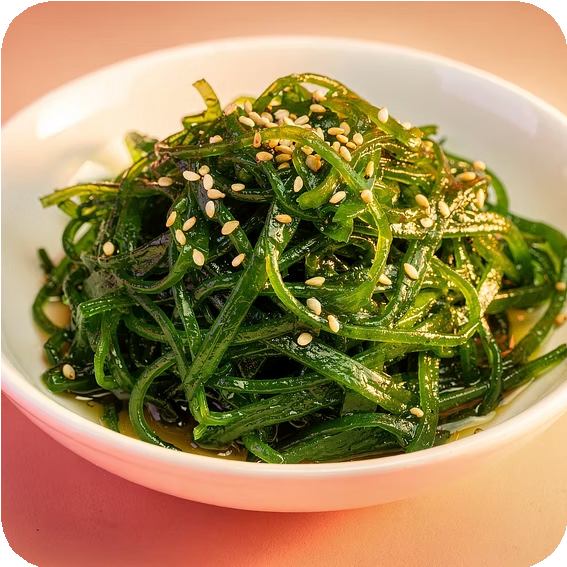

What Is Seaweed?
Seaweed, also known as macroalgae, refers to a group of marine plants that grow in oceans and coastal waters. Unlike land vegetables, seaweed absorbs nutrients directly from seawater. This unique characteristic allows it to accumulate a remarkable concentration of minerals and beneficial compounds that are rarely found together in terrestrial plants.
Seaweed is typically categorized into three major groups:
Brown Seaweed
Examples include kelp, kombu, and wakame. These varieties are often used in soups, broths, and traditional Asian dishes.
Red Seaweed
This category includes nori and dulse, which are widely used in sushi and seaweed snacks.
Green Seaweed
Green varieties such as sea lettuce and ulva are lighter in flavor and commonly used in salads or nutritional supplements.
Each category provides different nutritional benefits and culinary applications, making seaweed an extremely versatile ingredient.
Popular Edible Seaweeds You Should Know
While hundreds of edible seaweed species exist, a few stand out as especially popular and nutritionally beneficial.
Nori
Nori is perhaps the most widely recognized seaweed thanks to its use in sushi rolls. This red seaweed is rich in vitamin B12 and complete protein, making it particularly valuable for people following plant-based diets. Its mild flavor and crispy texture also make it a popular snack.
Kelp
Kelp is a type of brown seaweed commonly used in broths, soups, and stocks. It is particularly known for its high iodine content, which supports thyroid health. Kelp also provides a natural umami flavor that enhances many dishes.
Wakame
Another brown seaweed, wakame is often found in miso soup and seaweed salads. It contains a unique antioxidant called fucoxanthin, which has been studied for its potential role in supporting metabolism and fat burning.
Sea Lettuce
Sea lettuce is a green seaweed with a mild flavor and high mineral content. It is rich in fiber, vitamins, and trace minerals, making it a valuable addition to salads, smoothies, and dietary supplements.
Each of these seaweeds offers unique nutritional advantages, allowing people to choose varieties that best fit their dietary preferences and health goals.


Seaweed’s Nutritional Power: More Than Just Iodine
One of the most remarkable aspects of seaweed is its nutrient density. Because it absorbs minerals directly from seawater, seaweed contains a powerful blend of nutrients that are difficult to obtain from other plant foods.
Some of the key nutrients found in seaweed include:
Essential Minerals
Seaweed contains high levels of minerals such as:
- Iodine
- Calcium
- Iron
- Magnesium
- Zinc
These minerals play essential roles in bone health, hormone regulation, and immune function.
Vitamin Complex
Seaweed provides a wide range of vitamins, including:
- Vitamin A
- Vitamin C
- Vitamin E
- Vitamin K
- B vitamins including vitamin B12
Vitamin B12 is particularly significant because it is rarely found in plant-based foods.
Omega-3 Fatty Acids
Certain seaweed varieties contain EPA and DHA omega-3 fatty acids, which are typically associated with fish. These healthy fats support brain function, cardiovascular health, and inflammation control.
Complete Protein
Seaweed also contains all nine essential amino acids, making it a complete plant-based protein source.


Five Science-Backed Health Benefits of Eating Seaweed
Modern research continues to confirm the health advantages of incorporating seaweed into the diet.
1. Supports Thyroid Health
Seaweed is one of the richest natural sources of iodine, a mineral required for proper thyroid hormone production. These hormones regulate metabolism, growth, and energy balance.
When combined with the amino acid tyrosine, iodine helps maintain healthy thyroid function.
2. Promotes Heart Health
Seaweed contains polyphenols, fiber, and omega-3 fatty acids that support cardiovascular health. Studies suggest these compounds may help:
- Reduce inflammation
- Improve cholesterol levels
- Lower the risk of heart disease
3. Improves Gut Health
Seaweed contains prebiotic fibers that nourish beneficial gut bacteria. A healthy microbiome is essential for digestion, nutrient absorption, and immune system support.
4. Provides Powerful Antioxidants
Seaweed contains unique antioxidants such as fucoxanthin and carotenoids. These compounds help protect cells from oxidative stress and may play a role in slowing aging and preventing chronic disease.
5. Helps Balance Blood Sugar
Seaweed’s soluble fiber and bioactive compounds can help regulate blood sugar levels by slowing the absorption of glucose. This helps prevent spikes and supports steady energy levels throughout the day.

Seaweed in Traditional and Modern Diets
Seaweed has been a dietary staple in many cultures for centuries. Japan, in particular, is well known for its high seaweed consumption.
Research suggests that the average daily intake in Japan is approximately 14.3 grams per person, which may contribute to the country’s reputation for longevity and lower rates of chronic disease. Seaweed-Edible-Varieties-and-Th…
In recent years, seaweed has also gained popularity in Western countries. Seaweed-based products such as snacks, supplements, and plant-based ingredients have grown rapidly in markets across North America and Europe.
This growing demand has also encouraged the development of sustainable seaweed farming, which provides environmental benefits while supporting coastal economies.
How to Add Seaweed to Your Diet
One of the best things about seaweed is how easy it is to incorporate into everyday meals.
Here are a few simple ways to start:
Smart Snacking
Dried seaweed sheets make a healthy snack that is low in calories but rich in minerals.
Soups and Salads
Soaked wakame or kelp can be added to soups, salads, and stir-fries to provide extra flavor and nutrition.
Seaweed Powder
Powdered seaweed can be used as a seasoning or blended into smoothies for an easy nutrient boost.
Creative Cooking
Seaweed can also be incorporated into breads, pasta, sauces, and grain dishes to enhance flavor and fiber content.
If you are new to seaweed, it is best to start with small amounts and gradually increase your intake as your palate adjusts.

Seaweed: A Sustainable Superfood
Beyond its nutritional benefits, seaweed is also one of the most environmentally sustainable foods on the planet.
Unlike many agricultural crops, seaweed farming requires:
- No fresh water
- No fertilizer
- No land
It grows naturally in ocean environments and can even help improve marine ecosystems by absorbing excess nutrients from the water.
This makes seaweed not only a powerful health food but also an environmentally responsible dietary choice.
The Future of Seaweed Nutrition
As global interest in plant-based nutrition continues to grow, seaweed is poised to play an increasingly important role in healthy diets.
Its combination of nutrient density, culinary versatility, and environmental sustainability makes it one of the most promising foods for the future.
Whether you enjoy it in sushi, soups, snacks, or smoothies, seaweed offers a simple and delicious way to enhance your nutrition.
✅ Pro Tip: Start your seaweed journey by trying one new variety each week. From crispy nori snacks to nourishing kelp broth, you may discover a new favorite superfood that supports both your health and the planet.