The Interplay Between the Stellate Ganglion, Cervical Spine, and the Autonomic Nervous System
Understanding the human body requires looking beyond isolated symptoms and into the deeper connections that drive health and dysfunction. One of the most overlooked yet critically important relationships is the interaction between the cervical spine, the stellate ganglion, and the autonomic nervous system.
For patients struggling with chronic pain, neurological disorders, unexplained cardiovascular symptoms, or post-traumatic conditions, this connection can often be the missing piece of the puzzle.
This article breaks down the anatomy, physiology, dysfunction patterns, clinical symptoms, and advanced treatment strategies that define this complex relationship—and why addressing it holistically can transform patient outcomes.
Understanding the Stellate Ganglion: The Autonomic Control Hub
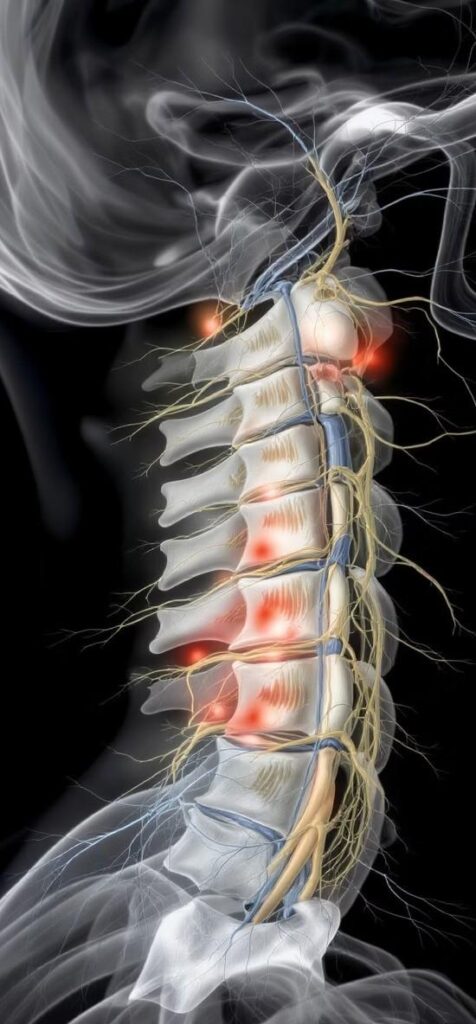
The stellate ganglion is a key structure within the sympathetic nervous system. Anatomically, it is formed by the fusion of the inferior cervical ganglion and the first thoracic ganglion, typically located at the C7–T1 level of the spine .
This small but powerful structure:
- Contains approximately 20,000–30,000 nerve cell bodies
- Sits near critical structures such as the vertebral artery and longus colli muscle
- Plays a central role in regulating sympathetic nervous system activity
Its influence extends across:
- The head and face
- The neck
- The upper extremities
- The cardiovascular system
In simple terms, the stellate ganglion helps control “fight-or-flight” responses in the upper body.
How the Cervical Spine Connects to the Autonomic Nervous System
The cervical spine is not just a structural support system—it is a neurological highway. It houses and protects pathways that directly influence autonomic function.
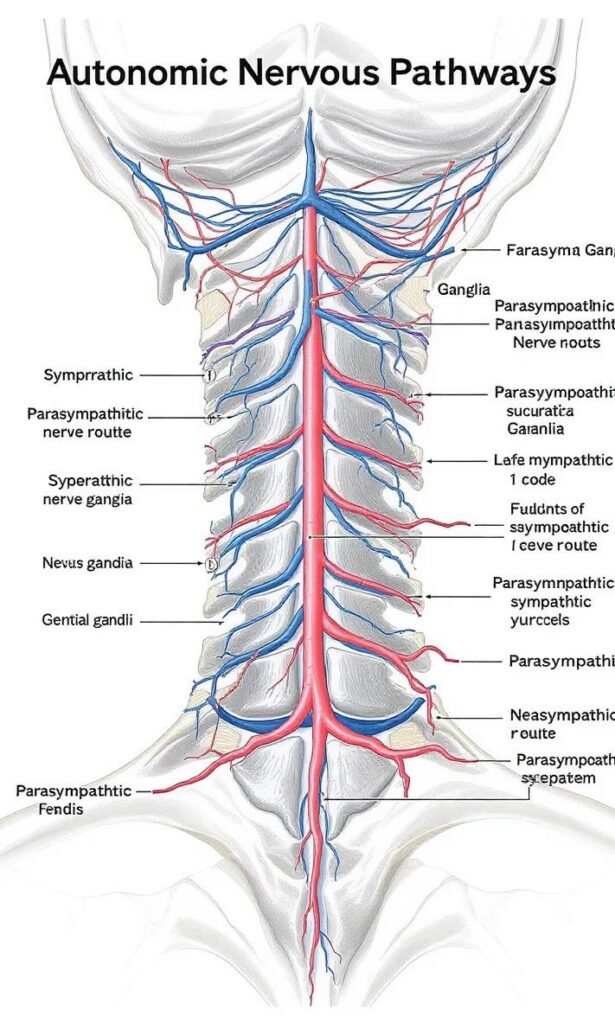
According to the overview of autonomic pathways in the cervical region , the process follows three key stages:
1. Central Origin
Signals begin in the brain (hypothalamus and brainstem), where autonomic responses are initiated.
2. Spinal Pathways
Preganglionic nerve fibers travel down through the cervical spinal cord and exit via nerve roots.
3. Ganglionic Processing
These signals reach the stellate ganglion, where they are processed and distributed to target organs.
This means any disruption in the cervical spine can directly interfere with autonomic signaling.
When Things Go Wrong: Cervical Spine Dysfunction and Its Effects
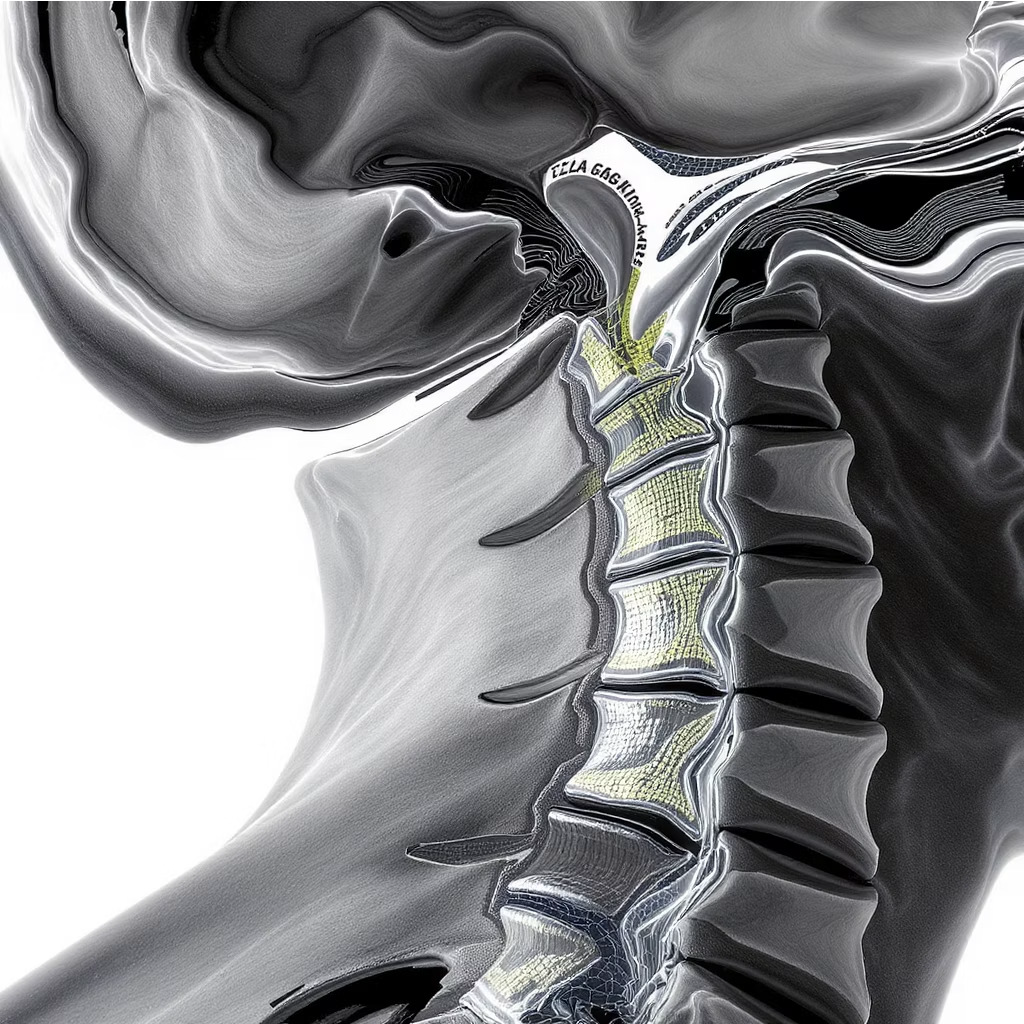
Cervical spine dysfunction is more than just neck pain—it can trigger widespread physiological disturbances.
1. Mechanical Compression
Misalignment, muscle tension, or structural abnormalities can compress sympathetic nerve pathways.
This leads to:
- Altered nerve signaling
- Increased inflammation
- Fascial restrictions
- Vertebral dysfunction
2. Vascular Compromise
The cervical spine also influences blood flow, particularly through the vertebral arteries.
Dysfunction can result in:
- Reduced perfusion
- Impaired oxygen delivery
- Disrupted neurotransmitter production
- Metabolic stress in nerve tissues
3. Reflex Mechanisms
Pain signals originating from the cervical spine can trigger reflex sympathetic responses.
These include:
- Hyperactive sympathetic output
- Central sensitization
- Amplified pain perception
These mechanisms explain why patients with neck injuries often experience symptoms far beyond the cervical region.
Recognizing the Symptoms: Clinical Manifestations
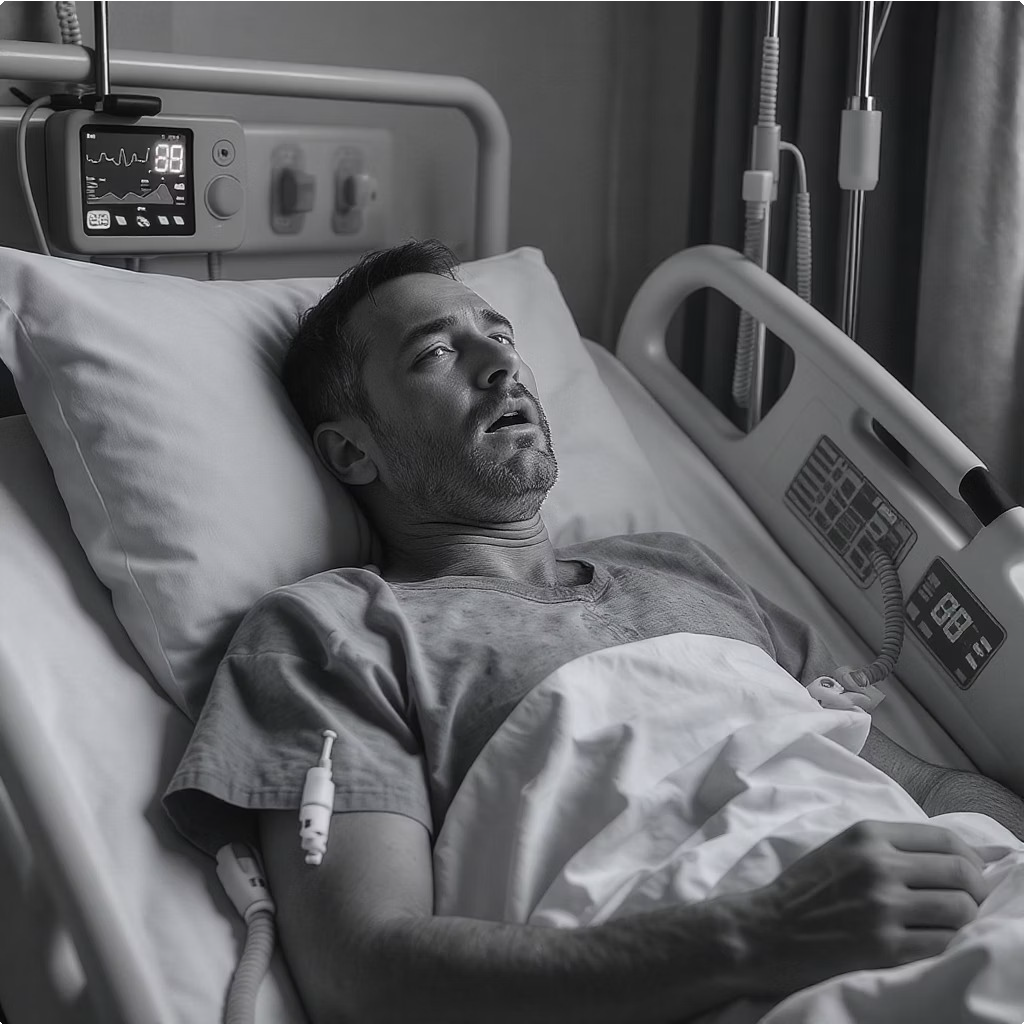
When the stellate ganglion and cervical spine interaction becomes disrupted, the body begins to show signs of autonomic imbalance.
Cardiovascular Symptoms
- Elevated heart rate
- Blood pressure instability
- Arrhythmias
Sudomotor Symptoms
- Excessive sweating
- Unilateral hyperhidrosis
Vasomotor Symptoms
- Cold or discolored extremities
- Raynaud’s phenomenon
- Temperature dysregulation
Ocular Symptoms
- Drooping eyelid (ptosis)
- Pupil changes
- Horner’s syndrome
These symptoms often appear unrelated—but they share a common neurological origin.
Advanced Treatment: Stellate Ganglion Blocks
One of the most effective interventions for autonomic dysfunction is the stellate ganglion block (SGB).
How It Works
A local anesthetic is injected near the stellate ganglion (typically at C6 or C7), temporarily blocking sympathetic activity .
What Happens Next
- Sympathetic overactivity is reduced
- Blood flow improves
- Pain signals are modulated
- Neurological balance begins to restore
Expected Results
- Effects last 4–12 hours initially
- Repeated treatments can provide long-term relief
- Studies show 60–80% of patients improve significantly
This makes SGB a powerful tool for conditions like:
- PTSD
- Chronic pain syndromes
- Complex Regional Pain Syndrome (CRPS)
- Post-concussion symptoms
Cervical Spine Treatments That Restore Autonomic Balance
While stellate ganglion blocks are powerful, the best outcomes come from addressing the root cause—cervical dysfunction.
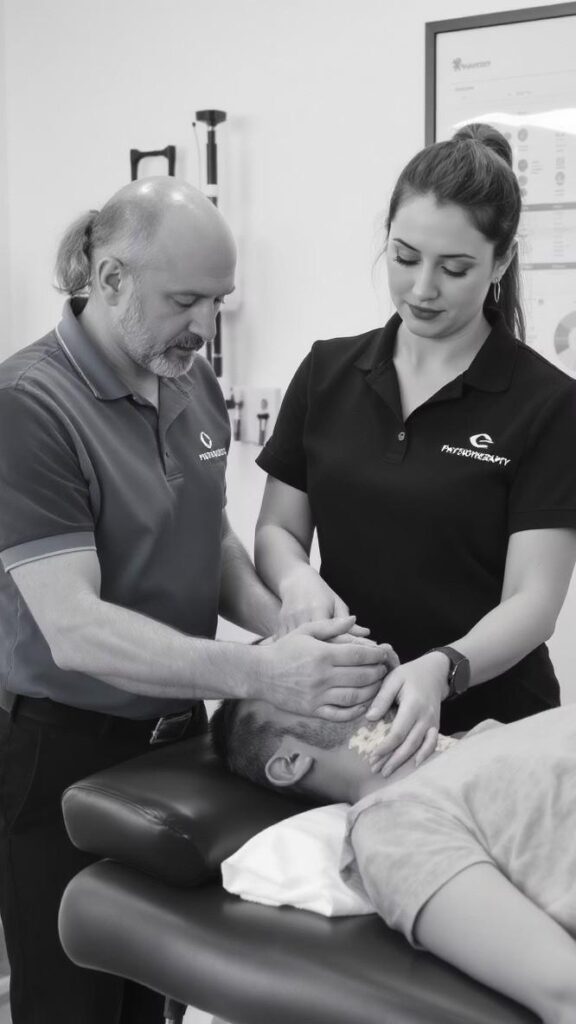
1. Manual Therapy
Spinal adjustments and mobilization techniques:
- Restore proper alignment
- Reduce nerve irritation
- Normalize autonomic tone
Research shows a measurable reduction in sympathetic hyperactivity following cervical correction .
2. Corrective Exercise
Targeted rehabilitation programs help:
- Improve posture
- Strengthen stabilizing muscles
- Prevent recurring dysfunction
This is essential for long-term recovery.
3. Injection Therapies
These include:
- Epidural injections
- Facet joint blocks
They help interrupt pain pathways and reset autonomic reflex loops.
Real-World Outcomes: Case-Based Evidence
Clinical cases highlight the power of combining cervical and autonomic treatments.
Case 1: Complex Regional Pain Syndrome
- Severe burning pain after whiplash
- Combined treatment: cervical therapy + SGB
- Result: 70% pain reduction in 6 weeks
Case 2: Post-Traumatic Headaches
- Chronic daily headaches after car accident
- Treatment: upper cervical stabilization
- Result: Reduced from daily to 2–3 times per month
Case 3: Horner’s Syndrome
- Caused by cervical disc herniation
- Treatment: surgical decompression + rehab
- Result: Complete resolution in 3 months
How We Diagnose Cervical-Autonomic Disorders
A precise diagnosis is essential for effective treatment.
1. Clinical Evaluation
- Trauma history
- Postural assessment
- Neurological testing
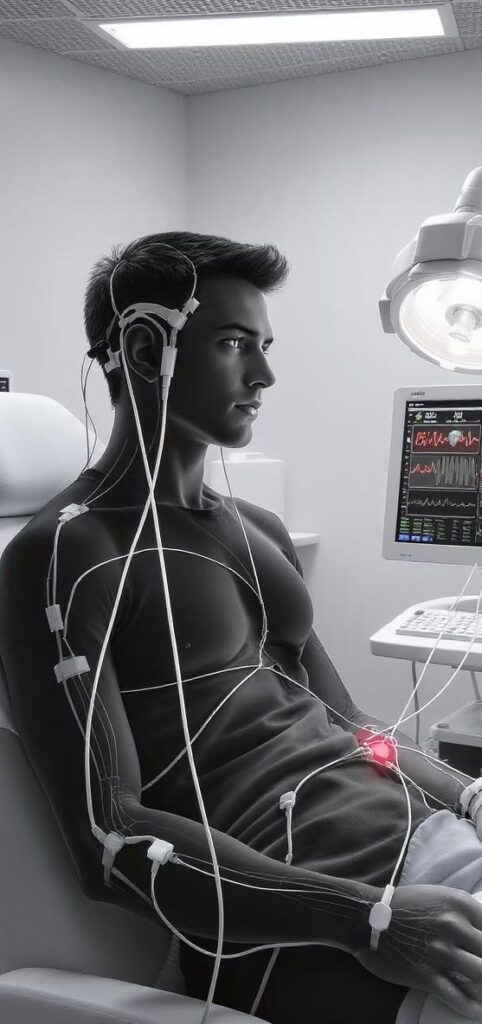
2. Autonomic Testing
- Heart rate variability (HRV)
- Tilt table testing
- Sweat response analysis
3. Imaging
- MRI for structural issues
- Functional imaging for nerve activity
4. Diagnostic Blocks
- Stellate ganglion blocks confirm sympathetic involvement
This multi-layered approach ensures nothing is missed.
The Future of Treatment: Integrated Care
The biggest breakthrough in modern neurology is the recognition that structure and function are inseparable.
According to the integrated treatment model , optimal outcomes require:
Medical Management
Collaboration between neurologists, pain specialists, and primary care providers.
Physical Rehabilitation
Targeted programs addressing both spinal mechanics and nervous system regulation.
Psychological Support
Managing the emotional impact of chronic pain and autonomic dysfunction.
Patient Education
Empowering patients to understand and manage their condition.
Long-Term Monitoring
Tracking progress and preventing relapse.
Why This Matters for Patients
If you’ve been told:
- “Your tests are normal”
- “It’s just stress”
- “There’s nothing more we can do”
You may be dealing with a cervical-autonomic dysfunction that hasn’t been properly identified.
The connection between the neck and the nervous system explains why symptoms can feel widespread, inconsistent, and frustratingly unexplained.
But once this connection is addressed, real healing becomes possible.
Conclusion: A New Perspective on Healing
The interplay between the stellate ganglion, cervical spine, and autonomic nervous system represents a paradigm shift in how we understand chronic conditions.
Rather than treating isolated symptoms, this approach looks at:
- Root neurological dysfunction
- Structural imbalances
- System-wide regulation
When these systems are treated together, patients often experience results they never thought possible.
Looking for Treatment in Chadds Ford?
If you’re experiencing symptoms related to autonomic dysfunction, chronic pain, or unexplained neurological issues, a comprehensive evaluation focused on cervical-autonomic connections may be the next step.
Early intervention can make all the difference—and the right approach can help you reclaim control of your health. Contact Hope Brain & Body Recovery Center in Chadds Ford