Sweating may feel uncomfortable, messy, or inconvenient—but scientifically, it’s one of the body’s most advanced survival features. During exercise, heat builds rapidly inside your muscles as they contract. Without a cooling system, your body temperature would skyrocket within minutes.
Fortunately, evolution designed a powerful mechanism to keep us from overheating: sweating.
The attached guide Exercise and Sweat: The Science Behind Cooling Down breaks down how the sweating process works, why it’s essential for safe physical activity, and how factors like age, fitness level, and gender influence your cooling capacity.
Why Do We Sweat During Exercise?
Sweating is a built-in air-conditioning system powered by evaporation. Page 2 explains three core functions of sweat:
- Prevents dangerous overheating during physical exertion
- Creates a cooling effect through evaporation on the skin
- Allows you to sustain performance for longer periods, even in hot or humid environments
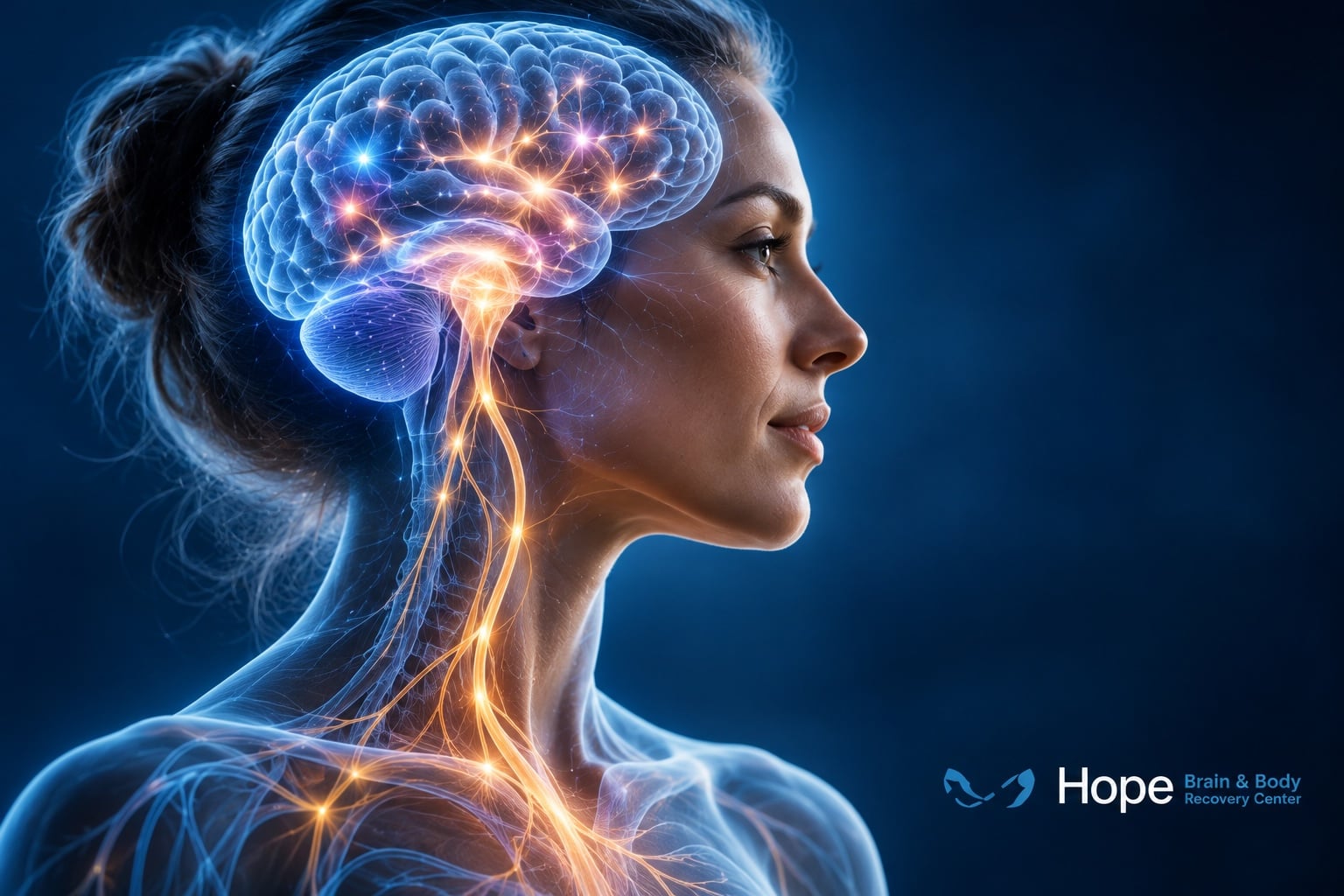
When your core temperature begins to rise, your brain quickly reacts. The hypothalamus, a temperature-regulation center deep inside the brain, sends signals to your sweat glands. This prevents your internal temperature from climbing to unsafe levels.
Rather than being an inconvenience, sweat is one of the primary reasons humans are capable of endurance sports and long-distance running.

How Sweat Glands Work
The human body has between 2–4 million sweat glands, and they aren’t all the same. Page 3 describes the two major types:
1. Eccrine Glands
These are responsible for most of your sweat.
- Found all over the body
- Produce clear, watery sweat
- Essential for temperature regulation
- Concentrated on the forehead, palms, and soles
Eccrine sweat is primarily cooling-based—it helps prevent overheating.
2. Apocrine Glands
These glands are:
- Located in the armpits and groin
- Activated during puberty
- Produce thicker sweat rich in lipids and proteins
- Less connected to cooling and more to scent signals
Neural Control: The Brain’s Role
The hypothalamus acts like a thermostat. When it detects rising body temperature, it triggers sweat production before you become excessively hot. This anticipatory action is why trained athletes often begin sweating earlier than untrained individuals.
What Research Shows: Sweat Rates and Fitness Levels
Sweating isn’t random—it’s directly linked to your cardiovascular fitness and training history. Page 4 includes a chart demonstrating that trained individuals sweat more efficiently and at higher rates than sedentary individuals.
Key findings:
- Trained men and women produce significantly more sweat than sedentary participants.
- Higher sweat rates correlate strongly with VO₂ max, one of the strongest indicators of aerobic fitness.
- Better-trained bodies heat up and cool down more efficiently.
In other words, sweating more is often a sign of better fitness, not poor conditioning.

Gender Differences in Sweating
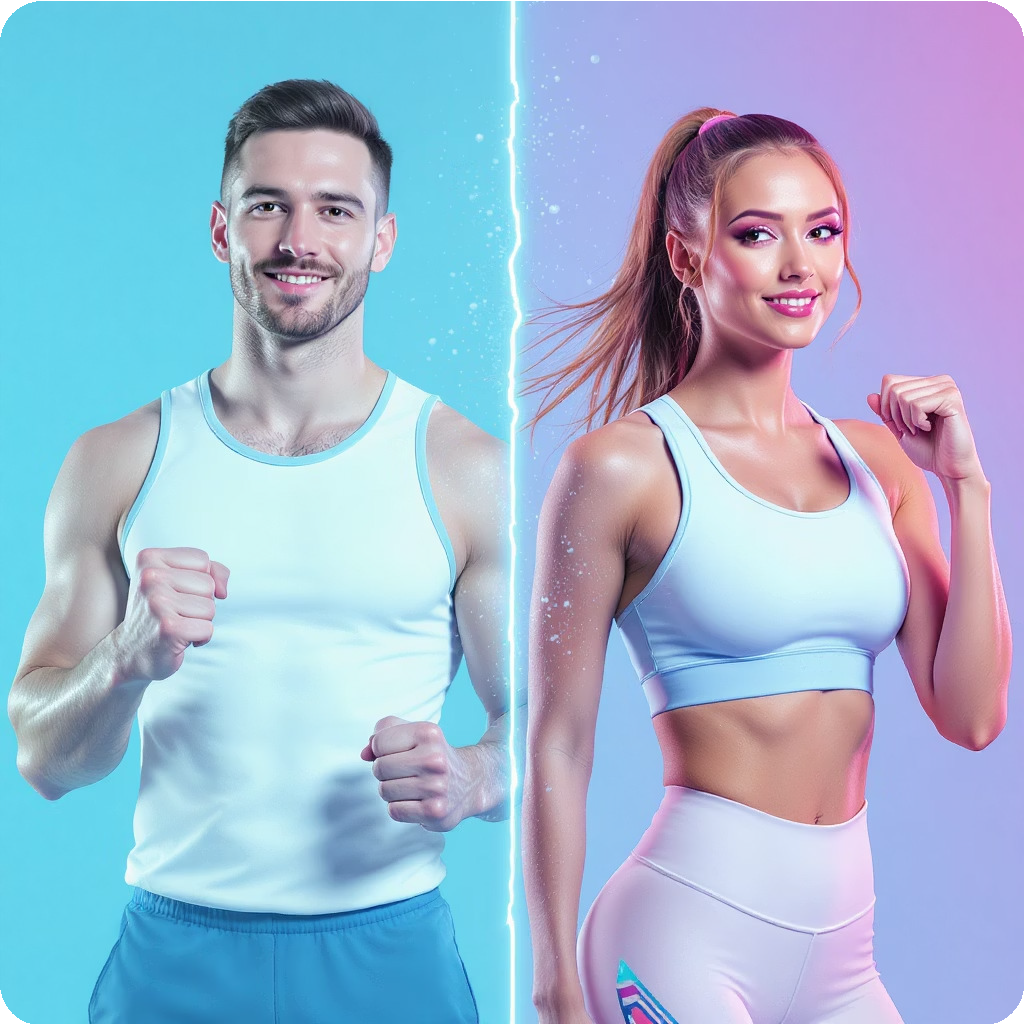
Men and women sweat differently—and not because one gender pushes harder than the other. As page 5 explains, hormonal influences and gland density play a major role.
Female Sweat Patterns
- Women have more sweat glands, but each gland produces less sweat.
- Women tend to sweat more evenly and often less visibly.
Male Sweat Patterns
- Men have fewer sweat glands overall, but each produces more sweat.
- Sweat output is typically higher, resulting in more visible perspiration.
Testosterone significantly affects sweat production, giving men a higher maximum cooling capacity during intense activity.
Understanding these differences can help athletes optimize training environments and hydration strategies.
Training and Aging: Can You Sweat More for Longer?
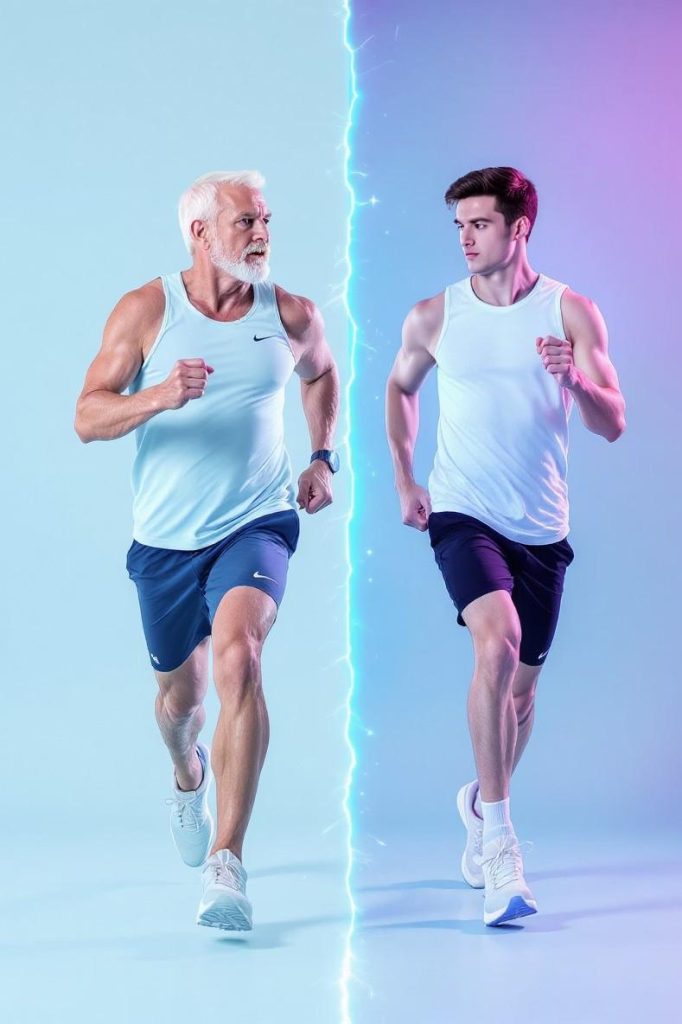
Absolutely. Page 6 lays out how sweating efficiency evolves with age—and why lifelong training matters.
1. Youth (20s)
- Peak sweat gland performance
- Quick cooling response
- Highest natural sweat rates
2. Middle Age (40s)
- Gradual decline in sweat gland responsiveness
- Active individuals maintain far better cooling capacity
- Sedentary individuals experience early decline
3. Seniors (65+)
- Active seniors can maintain sweat rates similar to untrained young adults
- Sedentary seniors see dramatic decreases in cooling efficiency
This means training doesn’t just build muscle and endurance—it helps preserve the body’s cooling system, preventing heat stress even as you age.
Practical Sweat Strategies for Safe & Effective Exercise
Page 7 shares practical tips to maximize performance and avoid dehydration or heat exhaustion.
1. Hydration Strategy
For optimal hydration:
- Drink 16–20 oz of water 2 hours before exercise
- Drink 7–10 oz every 10–20 minutes during activity
- After exercise, replace 16–24 oz for every pound lost
2. Clothing Choices
Choose:
- Technical fabrics
- Moisture-wicking materials
Avoid: - Cotton
Cotton traps sweat and prevents evaporation, overheating the body.
3. Acclimation Period
When adapting to a new climate (hot, humid, or high-altitude):
- Allow 10–14 days of consistent training
- Sweat response becomes more efficient with exposure
- Gradual adaptation prevents heat-related illness
Acclimation is crucial for summer runners, athletes training for competitions, or anyone exercising outdoors in hot environments.
Conclusion: Sweat as a Superpower
As page 8 highlights, sweat is far more than a biological function—it is a performance enhancer, a cooling mechanism, and a sign of health.
Cooling Efficiency
Sweating helps you work out longer and safer.
Fitness Indicator
High sweat rates often reflect strong cardiovascular conditioning.
Performance Edge
Sweat is proof that your body is adapting intelligently to physical challenges.
Rather than seeing sweat as something to hide, embrace it as a sign of your body functioning at peak intelligence.
Call to Action — Hope Brain Center
If you struggle with overheating, exercise intolerance, dizziness during workouts, or issues related to autonomic function, your brain—not just your body—may be involved.
At Hope Brain Center, we specialize in understanding how the brain regulates temperature, circulation, heart rate, and exercise recovery through advanced functional neurology.
📍 Hope Brain Center
6 Dickinson Dr, Ste 310 Chadds Ford, PA 19317
📞 Call: +1 (610) 652-4732
🌐 Book a consultation: https://hopebraincenter.com/contact/
Take the next step toward better performance, safer workouts, and optimized brain-body function. Your health begins with understanding how your system works—and we’re here to help.