In this episode, Dr. Joseph Schneider shares why healing from POTS should be viewed as a long-term process rather than a quick fix. The body’s control systems — including the autonomic nervous system, spinal reflexes, and muscle circulation — must gradually rebuild after dysfunction or injury.
POTS, a form of dysautonomia, occurs when the autonomic nervous system cannot properly regulate vital functions like heart rate, blood pressure, oxygen delivery, and digestion.
- POTS impacts heart rate, blood pressure, and oxygen delivery, leading to risks like stroke and dizziness.
- Symptoms include Ehlers-Danlos syndrome, chronic headaches, and temperature regulation issues.
- Infections and injuries can trigger POTS; treatment must address multiple systems at once.
- Exercise and nutrition are crucial for nerve and muscle repair; progress must be gradual.
- Patient education focuses on long-term recovery and encourages asking questions for better engagement.
- Hope Brain and Body Recovery Center offers personalized support and resources for POTS patients.
Notes
Understanding POTS and Autonomic Dysfunction
The podcast clarifies how POTS affects multiple body systems by disrupting autonomic nervous system control.
- POTS causes widespread autonomic failure impacting heart rate, blood pressure, and oxygen delivery (02:20)
- The autonomic nervous system controls heart rate, blood pressure, digestion, and endocrine functions.
- Poor blood flow to the brain leads to risks like stroke, syncope, and transient ischemic attacks.
- Syncope episodes cause dizziness and vision loss, raising safety concerns especially during activities like driving.
- POTS symptoms extend beyond cardiovascular issues to include sensory, musculoskeletal, and neurological problems (03:07)
- Patients often report Ehlers-Danlos syndrome, joint hypermobility, chronic headaches, and widespread body pain.
- Neuropathy in fingers and toes can occur due to poor circulation.
- Digestive issues, temperature regulation problems, and chronic fatigue are common.
- Underlying causes of POTS are diverse, including infections and neurological injuries (05:35)
- Long COVID, Lyme disease, and traumatic brain injury are identified as triggers.
- Dysfunction occurs at multiple levels of the nervous system, requiring comprehensive treatment.
- Single treatment focus on one symptom is ineffective because multiple systems are involved.
Neurological and Musculoskeletal Mechanisms in POTS
The discussion reveals how spinal cord and muscle systems play a crucial role in maintaining autonomic balance in POTS.
- Spinal reflex loops and intermediolateral cell nucleus regulate muscle energy demand and circulation (07:50)
- Sensory input from muscles signals brain about body position and movement.
- The intermediolateral cell nucleus controls capillary beds and sweat glands to meet muscle energy and temperature needs.
- Chiropractic adjustments target spinal dysfunction to restore these primitive reflexes.
- Muscle atrophy and reduced capillary density worsen circulation issues in POTS patients (09:24)
- Muscle spindles and Golgi tendon organs signal circulation needs based on muscle load.
- Lack of exercise leads to loss of muscle mass and blood vessels, impairing oxygen delivery.
- Rebuilding capillary beds and circulation can take several months, requiring patient-specific timelines.
- Exercise and proper nutrition are key for nerve and muscle repair but require gradual progression (10:45)
- Nerve repair happens before muscle recovery, making pacing essential.
- Adequate rest and nutrition support plasticity and healing of the autonomic and musculoskeletal systems.
- Foundational aerobic capacity must be established before attempting high-intensity efforts.
Comprehensive Treatment Approach for POTS
Effective POTS care demands addressing multiple dysfunctional systems simultaneously with tailored therapies.
- Multi-system treatment is necessary due to POTS’ complex nature (06:14)
- Neurofeedback helps retrain brain function and autonomic balance.
- Oxygen therapy and exercise improve heart rate regulation and oxygen saturation.
- Treatment plans target spinal loops, sensory-motor integration, and cardiovascular responses together.
- Individualized exercise prescriptions must consider patient capacity and symptom triggers (12:15)
- Differentiating aerobic, anaerobic, and high-intensity interval training (HIIT) is important.
- Patients should avoid overexertion to prevent setbacks in healing.
- Exercise type and intensity affect resiliency and degeneration processes differently.
- Patient education emphasizes long-term recovery as a marathon, not a sprint (10:45)
- Sustained small improvements build foundational strength and autonomic control.
- Dr. Schneider stresses pacing and gradual buildup to avoid frustration and injury.
- This mindset supports better adherence and eventual ability to handle more intense activity.
Patient Support and Engagement
The podcast encourages patient interaction and ongoing support to improve understanding and outcomes in POTS care.
- Inviting patient questions fuels relevant podcast content and community learning (12:50)
- Viewers are encouraged to ask about symptoms, treatments, and exercise strategies.
- This engagement helps tailor future episodes to patient concerns.
- Direct contact with Hope Brain and Body Recovery Center offers personalized care (13:50)
- Patients can call 610-544-9800 to speak with Dr. Schneider or Joe Quirk.
- The center focuses on returning patients to active life and managing chronic symptoms.
- Digital presence on TikTok and website extends educational reach and daily inspiration (13:50)
- Social media shares insights on neurological wellness and recovery.
- The website provides additional resources for ongoing patient support.
Transcript
00:00
Dr. Joseph Schneider
Foreign. Welcome to my POTS podcast. I’m Dr. Joe Schneider, and after 35 years as a functional neurologist, a personal journey through stroke recovery, and helping thousands of patients, I’m here to share breakthrough solutions for POTS neurological wellness. From getting out of bed in the morning to rebuilding your nervous system, this is your guide to understanding and overcoming neurological challenges. Let’s begin this journey to recovery together. Well, I’m Dr. Joe Schneider. I’m a chiropractor, functional neurologist, and functional medicine doctor. And this is Joey. Hello.
00:44
Joe Quirk
I’m Joe Quirk, nutritionist with a candidate towards master’s in exercise science physiology. And this is my R POTS podcast.
00:54
Dr. Joseph Schneider
This morning, we’re going to look at primitive controls of muscle, the sensory system, and the fuel that makes it all go happen. So when we look at pots, we know POTS is dysautonomia. So when we say dys, we mean that the autonomic nervous system is not functioning right. And the function of the autonomic nervous system is to supply fuel to your body and is control your heart rate, your oxygen, your blood pressure, your digestive tract, your endocrine system. So the autonomic nervous system is a really beautiful part of our central and peripheral nervous system. When we bring patients in and we’re talking to patients on the phone all the time, every day, we’re getting calls that I’ve been diagnosed with pots. That’s really what the first thing they say.
01:50
Joe Quirk
Pretty vague, though, right? Pretty broad term.
01:53
Dr. Joseph Schneider
So usually what they’re saying is that I’ve had heart rate issues, having blood pressure issues, and I’m having two issues that you rarely say. Talk about the oxygen system. All those systems that they’re talking about is to supply oxygen and fuel to your body, your muscle system, but it’s also to supply those. That energy to your brain, too, really is important. It’s important in the fact that if we don’t get proper blood supply to the brain, then there’s a lot of degenerative things that can happen. There’s a lot of other activities that can happen, like stroke, transient ischemic attacks, syncope.
02:31
Dr. Joseph Schneider
Now, syncope is one of the worst feelings in the world because if you’re lying down, you sit up and you feel a little dizzy and off, but then you stand and you start losing your visual system because you’re not getting blood flow to the brain and you fall down. So on top of the concussion, you can have a concussion. You can break bones, you can do a lot of things that are damaging. We’ve had patients that have sinkable attacks when they are driving, they’ll get a motion sickness, their vision blackens with them, they feel dizzy, they can’t drive, they may even get nauseated. It’s pretty tragic. And that’s something that we would never want that to happen to any of our patients. Now, we talked about POTS or dysautonomia. What else do they complain about?
03:17
Dr. Joseph Schneider
Ehlers Danlos mast cell Ehlers Danlos syndrome, which is a hypermobility of the joint structures that can be either a genetic issue or it can be an issue of central control of the sensory motor areas, which we look at often when we do our neurofeedback. But we also look at that when a patient has Ehlers Danlos, they’re going to have either hypermobility of their spinal joints. So as a chiropractor, I was trained initially as a chiropractor. And that mobility dysfunction of spinal joints will cause a local shutdown of your primitive autonomic responses.
04:03
Joe Quirk
We had that patient, anytime she would come in, most of the time she had ribs out of place and her spine was out of place and she would come in with really chronic headaches and really chronic pain from it.
04:16
Dr. Joseph Schneider
So part of the POTS diagnosis is if we go through systems, we’re going to ask them if you have headaches, migranous type of headaches, or even tension headaches, do you have body pains? And most people have body pains, either a full fibromyalgia where everything is tender, sore and doesn’t function right, or they have just partial different areas like shoulders, knees, hips, back, neck pains and things like that. So they can have any combination of the above, where they can have neuropathy going into their fingers and feet, where the circulation isn’t getting into those areas of the body. So when you have pots you can be pretty uncomfortable in multiple systems. Chronic fatigue is one of them.
05:01
Dr. Joseph Schneider
They’re not sleeping right, they don’t have a good circadian rhythm, body pains, digestive issues, temperature regulation, their heart rate goes up when they get showers, like the hot water makes their temperature go up or they can’t stand the water on their skin.
05:18
Joe Quirk
Just like direct sensory fiber related issues.
05:20
Dr. Joseph Schneider
The biggest concern there is that where does the POTS come from? Why do I also have pots? We’ve been talking about COVID long. Covid Lyme disease can cause it, traumatic brain injury can cause it. So there is definitely a dysfunction or degeneration of the control center for pots. When we do comprehensive care with patients, there’s usually so many things that are going on, that if you just brought them in and did vertigo training. So a patient has vertigo and then you do training for that system, doesn’t always hit every piece of it. Even at the spinal level. You have sensory input that comes in from the body and then that goes up into the brain so that we know that we’re moving, we’re static, we’re sitting, we’re standing and things like that.
06:14
Dr. Joseph Schneider
So the initial aspect of postural orthostatic tachycardia syndrome, it’s the body’s awareness of what position you’re in, because it’s those.
06:26
Joe Quirk
So many multiple systems that are having dysregulation or there’s a dysfunction between so many systems. They all have to be treated individually and they all have to be treated comprehensively. So taking the approach of hitting on each single system in one treatment plan is exactly why we get the results that we do. We’re able to hit everything with neurofeedback and start to plasticize the brain. Oxygen with O2 and exercise, we’re able to help with finding autonomic balance and regulating blood pressure. Heart rate increasing, SpO2 percentage, as well as just starting to get them readapted to. The idea of exercising.
07:10
Dr. Joseph Schneider
What we’re saying is that it starts with the spinal loops that we have, the reflexogenic loops, so that when you sit up, you start activating your musculoskeletal system. So you get sensory input to the brain. Said, I’m standing up now in gravity. Then you get the alpha motor. Neuron fires, says, okay, muscles, keep me upright, don’t make me fall. And then in between that sensory system and the motor system, you have another area of nerves called the intermediolateral cell nucleus. Now I’ve been looking at that for, since 1989. If you’re looking at the autonomic nervous system, it really starts spinally. It starts at the spinal level because you have controls that help you to mediate the muscle demand. The muscle demand saying, I’m working, what do I need? I need the brain to keep telling me to work.
08:12
Dr. Joseph Schneider
But I also need better circulation of the muscle. And that’s the capillary beds. And those capillary beds are controlled at the intermediolateral cell nucleus. So chiropractic adjustments actually look at spinal dysfunction. Look at the primitive reflexogenic responses for needs of energy to the rest of your body, which I find like is so cool, it’s kind of crazy. So that’s your feed forward mechanism in control. So if you have local control down and yet you still have pots, then you’re going to look at higher controls. So there’s skeletal muscle, which is the movement of my arm. If I move my arm and I say I have a weight in my arm, five pound weight, those sensory nerves that are within a muscle called muscle spindles and golgi tendon organs are firing. Right.
09:12
Dr. Joseph Schneider
If I put a 20 pound weight in my hand and I do the same exercise, how many more fibers are firing with £20 than 5?
09:22
Joe Quirk
You got to recruit way more muscle fiber.
09:24
Dr. Joseph Schneider
And so they demand that the circulation is high enough to supply the energy for that muscle to work. So when you get some and out of shape and you put them in the gym, they start with the bicep and they do the bicep. I can do like one curl. My pipes are getting really big. £5 just stuck on. They’re not impressed. He’s not impressed, right?
09:46
Joe Quirk
I’m impressed. Anybody that exercises impresses me at this point.
09:50
Dr. Joseph Schneider
And then you put a 20 pound, then a 40 pound, then a 50 pound. If you get to the point where all those areas have kind of shut down for a while and you’re out of shape, you lose your capillaries, your blood vessels, you know, maybe blood vessels go in that muscle. Would you say that’s right?
10:09
Joe Quirk
Yeah, I would agree.
10:10
Dr. Joseph Schneider
Yeah. You would have atrophy. Atrophy not only at the muscle itself, but also of the circulation going to it, of the lymph flow going to it. And there’s another mechanism for temperature control is your sweat glands. And they’re all controlled spinally at the intermediolateral cell nucleus. So everybody with POTS going to have to walk around saying intermediolater cell nucleus. You got to get that thing functioning, right? So when you have circulation to your muscle, you need to start building capillary beds. And that doesn’t happen overnight. So you have to take systems out of atrophied, like your capillary beds, your circulatory system, and you have to rejuvenate it. And that takes months maybe. Yeah. Each person is so different, right? For those systems come back, so you kind of get in shape. So I’ve always said that life’s a marathon.
11:05
Joe Quirk
It’s definitely not a sprint.
11:06
Dr. Joseph Schneider
I just love that because life is a marathon. It’s definitely not a sprint. But there are times where you want to sprint, but you want to have really good foundational controls of your aerobic capacity. That happens at the spine, right? That basic area of the spine of the sensory stimulation of the mouth motor neuron stimulation of the intermediolateral cell nucleus. And the more that you exercise, the more those pathways are stimulated. So the nerve repairs first and then the end organ, which is your muscle, repairs last. It takes longer time for that to happen. So when you’re exercising, you want to make sure that you’re eating right, getting enough rest so the body has a chance to start to rejuvenate and plasticize not only the muscle, but the circulation, the lymph flow, the cooling mechanisms of sweat on the area.
12:10
Dr. Joseph Schneider
And we want to make sure everything is working on the primitive level or the spinal cord level. That’s your first thing that we need to know. So people that have developed POTS sometimes getting questions that mean, I exercised all the time, I did all these different things. And you really need to go back and say, like, what kind of exercises were you doing? Were you doing all hiit work or sprint, or are you doing slow movement things, or are you doing aerobic things or are you doing just anaerobic? So what are the capacities of your healing capacity, but also of your resiliency or degenerating processes?
12:51
Dr. Joseph Schneider
So, you know, the thing about the body is that it’s so fascinating that when you start getting really getting into it, which we’ve been doing, makes you want to learn more, you know, you just want to learn more about it. POTS is usually a multi system of your beautiful autonomic nervous system and your beautiful peripheral nervous system and so on. But it’s really kind of the most important part of it, because if I’m not getting the fuel in the body for it to happen, like your oxygen, your glucose, your nutrients, your circulation, then not much is going to happen on the healing end and not what’s going to happen on the functional end. We invite you to send us questions.
13:33
Dr. Joseph Schneider
You know, questions can start to fuel our podcast so we can answer the things that concern you the most about POTS or dysautonomia and the types and forms of exercise that will get you there. If you want to prepare yourself for the marathon of life and the ability to sprint when you need to, then you need to call the Hope Brain and Body Recovery Center, 610-544-9800 and either talk to myself or to Joe Cork and let’s get you back to life. Get back to your marathon. Thank you for joining us on my POTS podcast. If you’re looking for more support, visit us@hope braincenter.com or follow our journey on TikTok where we share daily insights and inspiration. Remember, healing is part cost. On living proof. I’m Dr. Joseph Schneider and I’ll see you next time as we continue exploring paths to recovery.
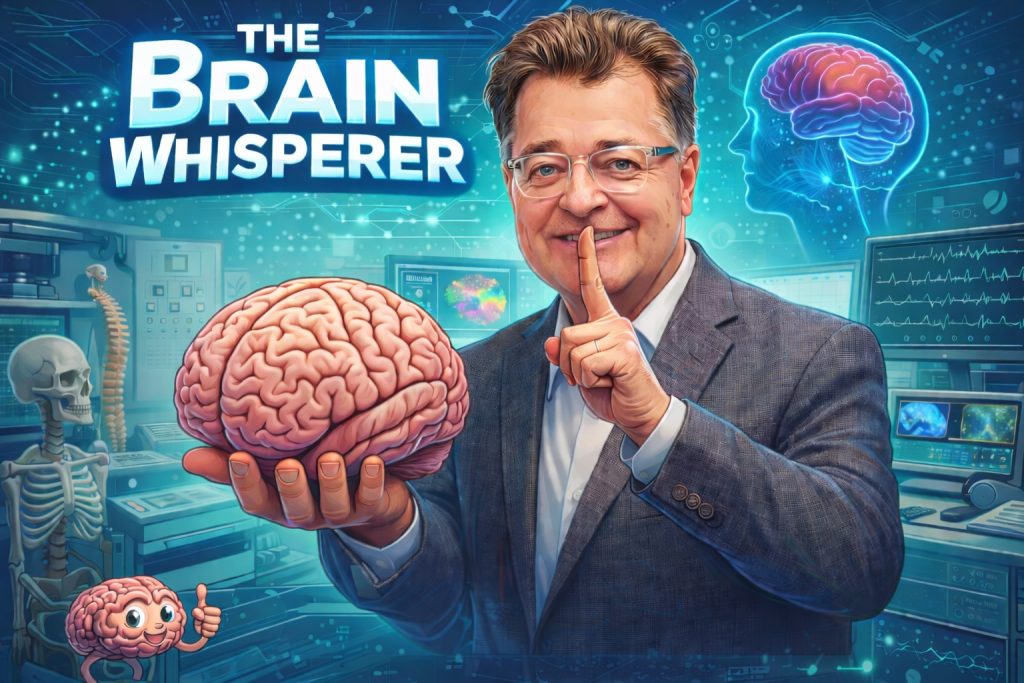
Dr. Joseph Schneider – “The Brain Whisperer”
Founder | Clinical Director | Board Certified Chiropractic Neurologist
Dr. Joseph Schneider, widely known as “The Brain Whisperer,” is the Founder and Clinical Director of Hope Brain & Body Recovery Center. With more than 30 years of clinical experience, he has dedicated his career to helping patients recover from complex neurological and metabolic conditions that often go unresolved through conventional approaches.
A Board Certified Chiropractic Neurologist, Dr. Schneider earned his Bachelor of Science in Physics from St. Joseph’s University and graduated Magna Cum Laude from New York Chiropractic College. He completed advanced post-graduate training in neurology through the Carrick Institute, earning a diplomate from the American Chiropractic Neurology Board.
Throughout his career, Dr. Schneider has treated over 11,000 patients, addressing conditions such as traumatic brain injury, concussion, stroke recovery, vestibular disorders, chronic pain, migraines, dizziness, scoliosis, and neurodegenerative diseases. His reputation as “The Brain Whisperer” comes from his unique ability to identify subtle neurological imbalances and design highly personalized treatment strategies that restore function and quality of life.
Previously, Dr. Schneider served as Executive Director of the Brain Balance Center in Springfield, PA, and Cherry Hill, NJ, where he helped transform the lives of more than 500 children with autism, ADHD, Asperger’s, learning disorders, Tourette’s, and concussion.
Today, Dr. Schneider continues his mission of restoring hope and neurological health, combining decades of experience with cutting-edge functional neurology to help patients achieve lasting recovery and optimal brain performance.
MyPotsPodcast
Join Dr. Joseph Schneider’s MyPotsPodcast as a stroke survivor turned healer, as he shares breakthrough solutions for POTS and neurological wellness.