In today’s fast-paced, achievement-driven society, the pressure to perform is at an all-time high. For many, especially those with Type A personalities, the drive for success can inadvertently lead to a dangerous physiological state known as sympathetic overdrive. At Hope Brain & Body Recovery Center, we’re seeing increasing numbers of patients suffering from the hidden consequences of this imbalance—burnout, anxiety, brain fog, and even autonomic nervous system disorders like POTS (Postural Orthostatic Tachycardia Syndrome).
In this blog, we’ll explore the science behind sympathetic overdrive, how it affects Type A individuals, and the holistic approaches we offer to help restore balance to your nervous system.
What Is Sympathetic Overdrive?
The sympathetic nervous system is part of your autonomic nervous system, responsible for your body’s “fight or flight” response. When faced with danger, the sympathetic system:
- Increases heart rate and blood pressure
- Accelerates breathing
- Directs blood to muscles
- Releases stress hormones like cortisol and adrenaline
This reaction is vital for short-term survival—but in many people, particularly those with high-stress lifestyles, it becomes a chronic condition.
Type A Personalities: Hardwired for Overdrive
Individuals with Type A traits—ambition, competitiveness, time urgency—tend to push themselves to the limit. This constant “on” mode keeps the sympathetic nervous system in high gear, even when the threat is nothing more than a looming deadline or a crowded inbox.
Common symptoms in Type A individuals include:
- Persistent tension and inability to relax
- Elevated cortisol levels
- Difficulty sleeping
- Hypervigilance and anxiety
At Hope Brain & Body Recovery Center, many of our patients report feeling like they “can’t turn off,” even after hours. This relentless drive is not only unsustainable—it’s dangerous to your neurological and cardiovascular health.
The Burnout and Anxiety Cycle
Chronic sympathetic activation sets off a cascade of effects:
1. Elevated Cortisol and Sleep Disruption
When cortisol remains high due to prolonged stress, it interferes with the body’s ability to wind down. This can result in:
- Insomnia
- Fragmented or light sleep
- Decreased REM and deep sleep stages—critical for brain detoxification and emotional processing
2. Cognitive Impairment
Sleep deprivation impairs your executive function, emotional regulation, and memory consolidation. Combined with ongoing stress, this creates a foggy, forgetful, and often irritable mental state.
3. Anxiety and Rumination
As sleep quality worsens and cognitive resources dwindle, the brain’s threat detection system becomes hypersensitive. This increases anxiety, leading to even more sympathetic arousal—a vicious cycle.
The Breaking Point: Nervous System Collapse
What many people call a “nervous breakdown” is often the result of prolonged sympathetic overdrive. This may include:
- Emotional overwhelm
- Panic attacks
- Physical symptoms such as rapid heartbeat, dizziness, and chest pain
- Depersonalization or a sense of detachment from reality
If you’re experiencing these symptoms, you’re not alone—and you’re not beyond help. Our neurological recovery protocols focus on restoring autonomic balance, so your brain and body can finally heal.
Physical Consequences: From High Blood Pressure to POTS

Sympathetic overdrive doesn’t just affect your mood and energy—it has tangible effects on your body.
➤ Sleep Disorders
Chronic insomnia or poor sleep architecture can become long-standing issues, contributing to fatigue, weight gain, and mood instability.
➤ Cardiovascular Stress
The heart responds to sympathetic dominance with sustained high blood pressure, increased heart rate (tachycardia), and increased risk for arrhythmias.
➤ POTS & Brain Fog
Postural Orthostatic Tachycardia Syndrome (POTS) is a condition where standing up causes a dramatic increase in heart rate, often leading to dizziness, fainting, and mental confusion. Many POTS patients also suffer from reduced cerebral blood flow, resulting in “brain fog”—a common complaint at our clinic.
Read about POTS and Dysautonomia
The Forgotten Half: Parasympathetic Dystonia

While most attention is given to sympathetic overdrive, its counterpart—the parasympathetic nervous system—is often overlooked. This “rest and digest” system is essential for:
- Healthy digestion
- Hormonal balance
- Heart rate variability
- Immune function
In chronic stress states, the parasympathetic system becomes suppressed—what we call parasympathetic dystonia. Symptoms include:
- Poor digestion
- Low vagal tone
- Increased systemic inflammation
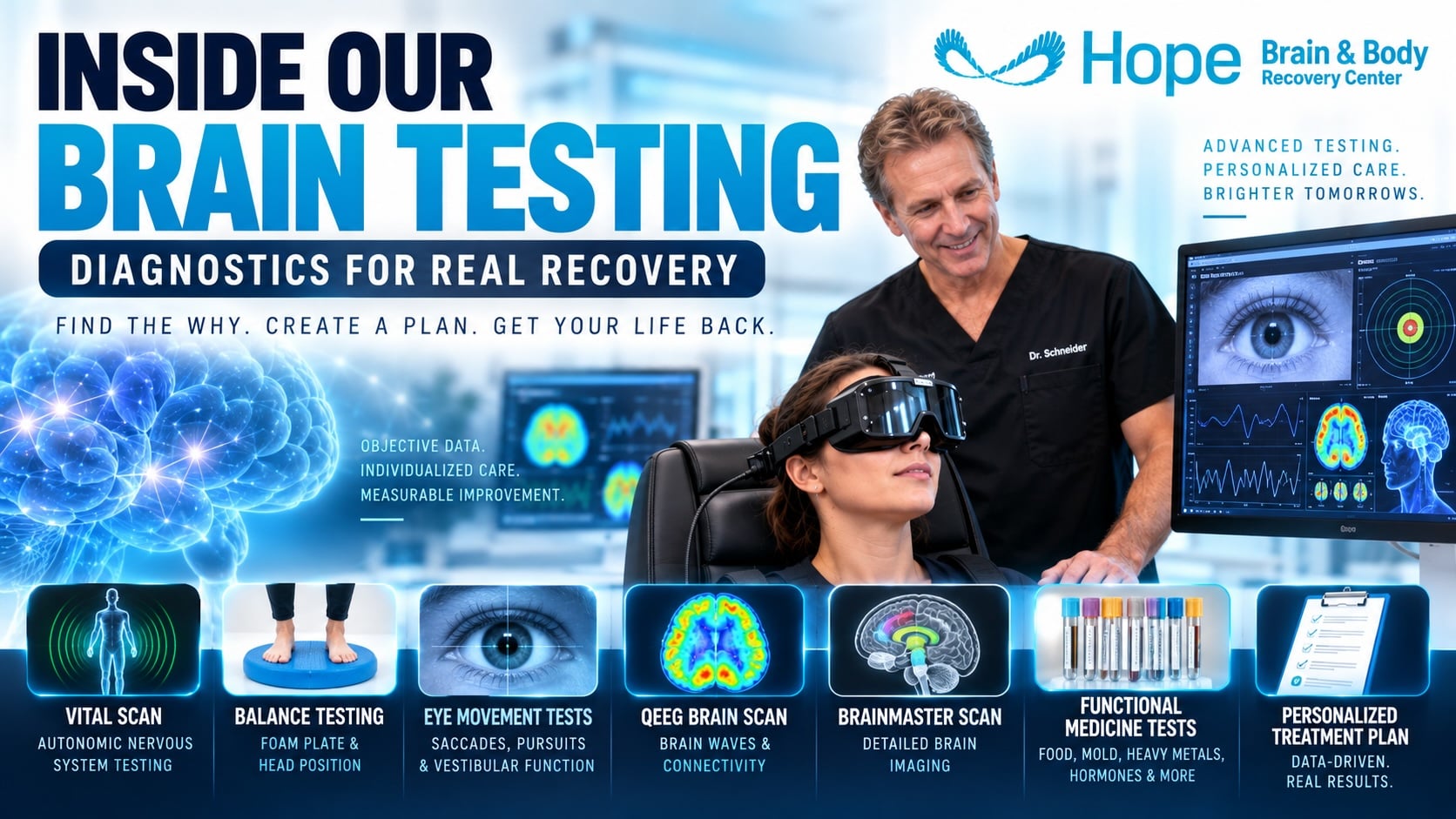
At Hope Brain & Body Recovery Center, we assess both branches of the autonomic nervous system using advanced diagnostics and personalized care.
Explore Functional Neurology Services
How to Restore Balance: Natural Solutions We Use
At Hope, we focus on non-invasive, drug-free therapies that help patients shift from sympathetic overdrive into a state of calm, clarity, and resilience.
1. Vagal Nerve Activation & Breathwork
The vagus nerve plays a central role in parasympathetic activation. Our programs include:
- Diaphragmatic breathing exercises
- Biofeedback training
- Vagus nerve stimulation techniques
2. Prioritizing Sleep Recovery
We teach patients how to rebuild healthy sleep habits, including:
- Blue light avoidance
- Sleep hygiene routines
- Nutritional strategies to enhance melatonin and reduce cortisol
3. Mindfulness & Neuroplasticity
We incorporate mindfulness-based stress reduction (MBSR), meditation, and neurofeedback to rewire the brain’s stress circuits.
4. Lifestyle Redesign and Emotional Resilience
Through coaching, education, and functional wellness programs, we help patients create lives that support—not sabotage—their nervous systems.
- Restructuring work habits
- Limiting toxic exposure to blue light, stimulants, and inflammatory foods
- Rebuilding community and emotional support systems
See our Functional Medicine and Nutrition Services
Final Thoughts: You’re Not “Too Stressed to Heal”
If you’ve been trapped in the Type A cycle of achievement, stress, and burnout, the first step toward healing is awareness. The second step is seeking the right support system.
Ready to Take the First Step?
At Hope Brain & Body Recovery Center, we specialize in helping high-performing individuals recover from neurological burnout, dysautonomia, and chronic stress syndromes. Using cutting-edge diagnostics and compassionate care, we help restore your brain-body connection—so you can live with purpose, presence, and peace.